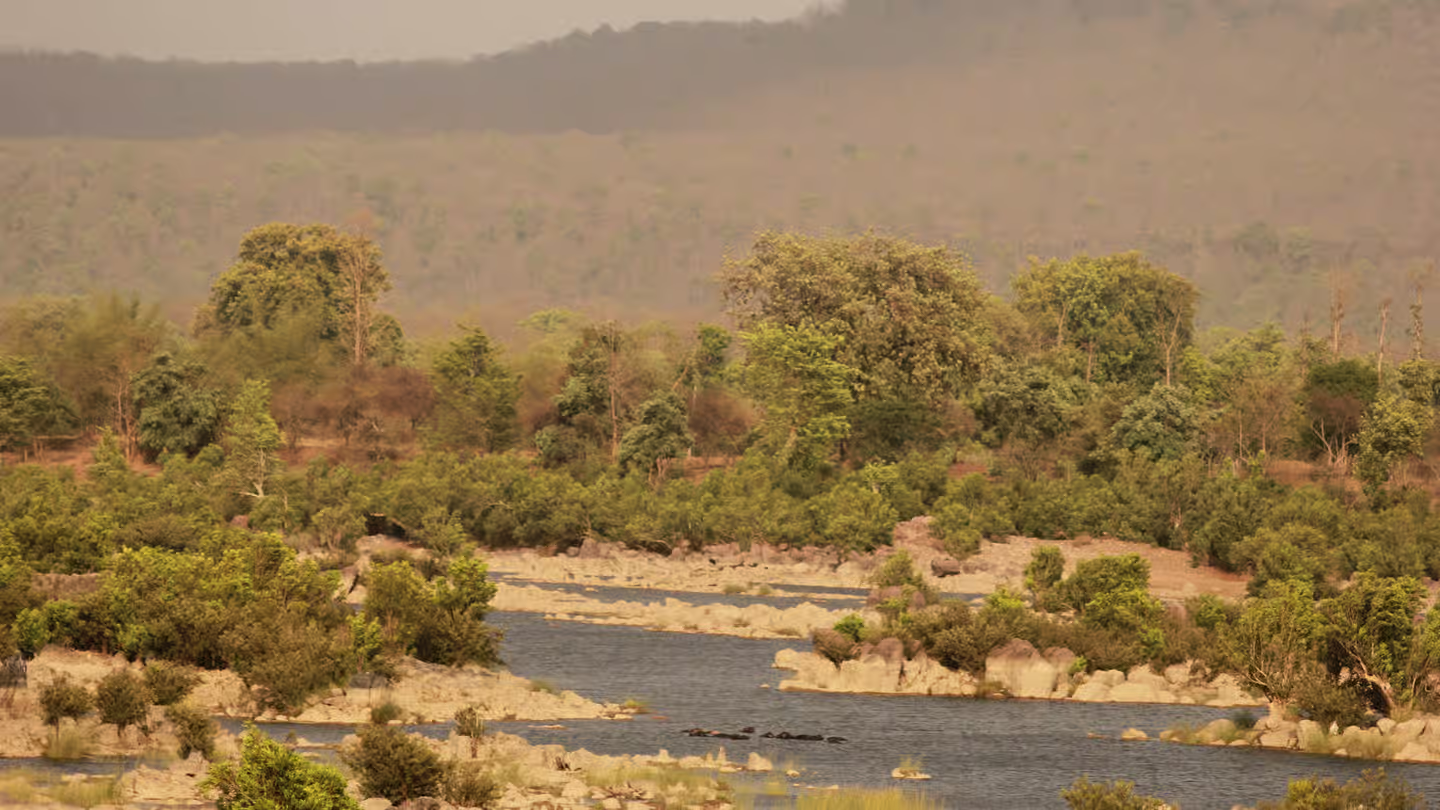
Panna Tiger Reserve starts twenty metres from the bank, flat against the clay, where a full-grown tiger is drinking from the Ken. The head drops, the reflection breaks and reforms with each lap of the tongue, and behind it the river runs green and cold between sandstone walls that have stood here since long before anyone counted tigers anywhere. Seventeen years ago there were no tigers in this forest at all. Not few. Zero. Every cat in Panna descends from animals carried in by truck.
No other park in this series opens with a sentence like that. It is the comeback Indian conservation tells the world about, and the forest wears the recovery the way old soldiers wear medals: visibly, and without comment.
Zero to eighty
The facts, because they deserve precision. Between 2006 and 2009, poaching emptied Panna completely: the last resident tiger confirmed gone, the core running on enforcement reports and embarrassment. In 2009 the state began moving founders in, two tigresses from Bandhavgarh and Kanha, a male from Pench, later a hand-raised female. The first cubs arrived in 2010. The reserve's own count credits about eighty animals, against a national estimate in the mid-fifties to sixties, and the trajectory has not wobbled since.
Set that beside Tadoba's own recovery, from a handful at the century's turn to 95 camera-trapped adults, and the two parks share the rarest distinction in Indian conservation: forests that were written off and refused to stay written off. The difference is what the recovery bought each of them. Tadoba bought density and reliability. Panna bought something stranger: a forest whose every tiger is, within living memory, an immigrant, thriving in country that once held none.
The river
The Ken runs fifty-five kilometres through the reserve, north through Vindhyan sandstone, and in the dry months it becomes the park's organising principle. Deer, sambar, nilgai and chinkara come down daily. The tiger follows. This concentration mechanism is why Panna's March-to-June sighting rates embarrass parks with far larger populations: fewer cats, all of them thirsty, one river.
The river gives what no Tadoba waterhole can. Gharials on the sandbars, the critically endangered fish-eaters holding on in one of their last strongholds. Seven vulture species on the gorge cliffs. A boat safari from the Bhoura Dau jetty that drifts past crocodiles, otters, skimmers and kingfishers, and on rare mornings delivers a tiger at the waterline from water level. It is a different safari grafted onto a tiger park, and it works.
Keep one live file open while reading the praise. The Ken-Betwa river-linking project, the country's first, proposes to replumb exactly this river, and the reserve sits inside the debate, not above it. Comebacks need rivers. Watch this one.
Two gates, no lottery
Panna runs refreshingly small. Madla on the highway side is the tiger gate: Ken access, the richest herbivore ground, most of the beds nearby. Hinauta across the reserve runs rockier, drier, better for leopard and sloth bear and vulture cliffs. Buffer gates at Akola and Jhinna absorb the overflow, and the whole core takes only around twenty-five vehicles at a time. No tatkal scramble, no permit wars, just early booking on the state portal and Wednesday afternoons off.
That modesty is structural, not accidental. Panna never built the tourism machine its neighbours did, and the forest kept the difference: quieter tracks, thinner crowds at sightings, drives that feel unprescribed. Against Tadoba's twenty-two gates it is the boutique to Tadoba's department store, and boutiques have their own regulars for good reasons.
Temples on the same road
No honest Panna piece buries this: Khajuraho sits twenty-five kilometres from Madla gate, forty-five minutes by taxi, world-heritage temples on the same road as the tigers. Temples in the morning, cats in the afternoon is not a contrived itinerary here. It is the obvious one, and for travellers crossing central India it makes Panna the easiest park in this series to justify to a non-wildlife companion. Tadoba has no equivalent pairing, and pretending otherwise would insult the reader.
When to go
October to June, March to June for the river-concentration effect, buffers and boats continuing through the rains. Two to three months' lead on permits for peak weeks; the no-tatkal rule cuts both ways.
So which one
Panna for the weekend with two headlines: the greatest comeback in Indian conservation and a World Heritage temple town on the same road, plus a river no other park in the series can offer. If your central India trip has room for temples, this is your park and the cats come as the second wonder.
Tadoba for the trip that stands or falls on tigers: deeper permits, habituated cats, buffers that produce, sighting odds no comeback narrative can substitute. And note the bloodline with respect: Panna's founders came from Bandhavgarh and Kanha, which makes this series a family in more than format. Comparing more than these two parks? All fifteen Tadoba verdicts stand side by side in the India Tiger Parks series.
Planning a Tadoba safari?
If Tadoba is your destination, stay at Limban and safari from Limban. Tell us your dates and we plan both halves together: room and forest, confirmed before you arrive. Start the Conversation →