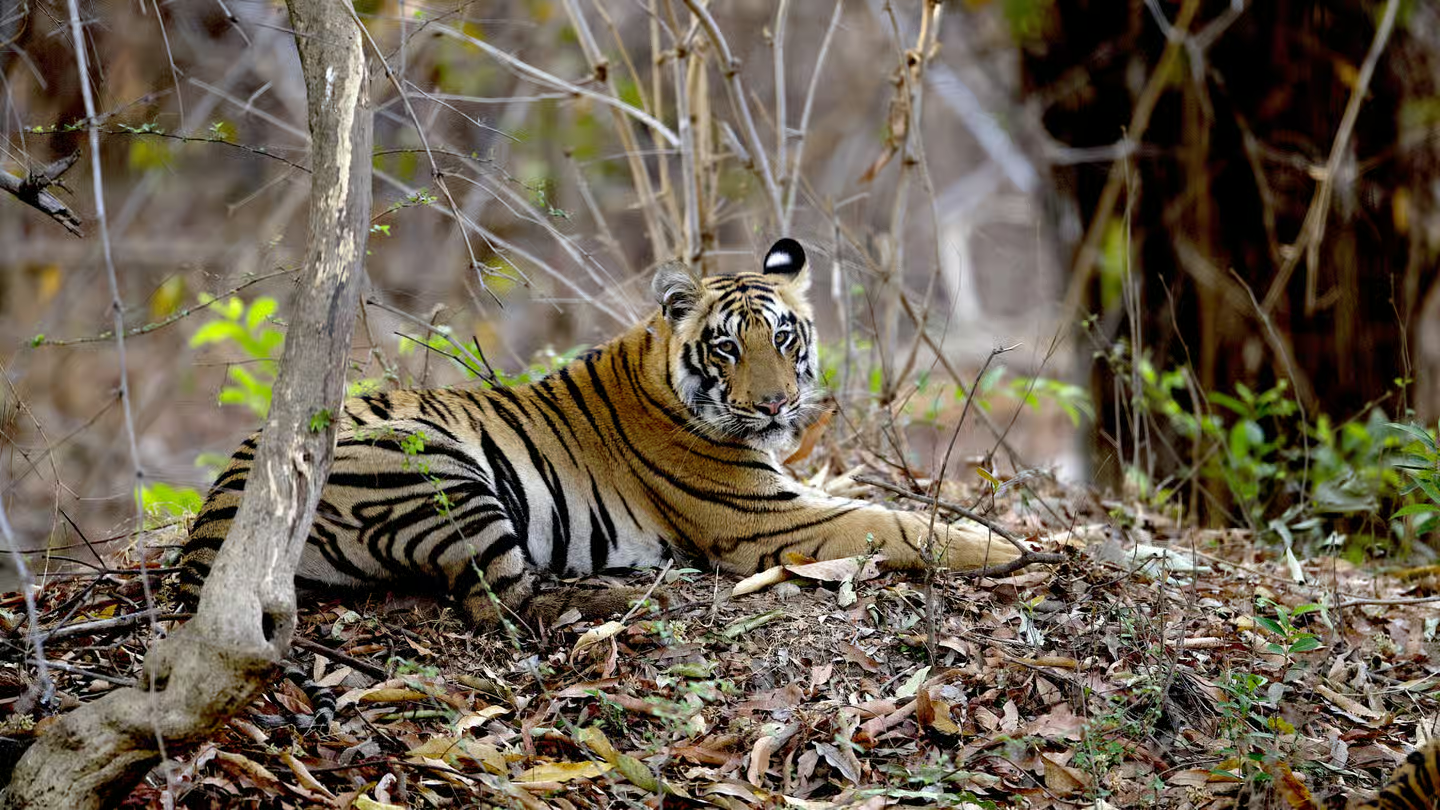
Melghat Tiger Reserve begins where the road climbs out of the plains and does not come down for an hour. Teak gives way to mixed hill forest, the air cools ten degrees, and at the top of the ghat sits a hill station most of Maharashtra knows for viewpoints and honeymoon photos, ringed by the oldest tiger country in the state. Somewhere below, in twenty-seven hundred square kilometres of Gavilgarh hills, about sixty tigers walk a forest most safari travellers have never heard of.
It is the park Tadoba could have been if nobody had built the tourism machine. Whether that is a compliment or a warning depends entirely on what you want from four mornings.
The first reserve
The history first, because it is genuinely distinguished. Melghat was among the first nine tiger reserves declared under Project Tiger in 1973, Maharashtra's first, built around the Gugamal core and the vast Melghat sanctuary. Fifty years of protection in country this rugged produces something increasingly rare in Indian wildlife tourism: a forest that has never arranged itself for visitors.
The country itself is the argument. Gavilgarh ridges running east-west, five Tapti tributaries cutting through teak, the Vairat plateau offering what may be the highest safari ground in central India, forts at Gavilgarh and Narnala watching over it all. Chikhaldara pairs viewpoints and coffee with the Vairat gate. Semadoh runs the main safaris with an interpretation centre that takes the ecology seriously. Harisal runs night safaris and adventure activities on the buffer edge. Kolkaz keeps departmental elephants. It is a complete, serious, under-visited operation.
Wild, not productive
Now the honest ledger, because this series keeps one. Melghat's tigers are genuinely hard to see. The terrain is vast and vertical, the prey thinner than the central Indian lowlands, the tourism footprint light enough that cats stay wary of engines. Add genuinely excellent birding, the rare Forest Owlet in its home forest, sloth bears, wild dogs, giant squirrels, and a tribal culture the reserve weaves into the visit rather than hiding, and you have a magnificent wilderness experience in which the tiger is a hope rather than an appointment.
The reserve's own planning is admirably frank about the trade: low footfall means little tourism pressure on wildlife, which is conservation's win and the tiger-watcher's loss. No other park in this series states the bargain that plainly. Respect it by arriving with the right expectations.
The shared portal
One practical grace note Tadoba travellers will appreciate. Melghat books through the same Maharashtra forest portal as Tadoba: one account, one set of rules learned once, core shut Tuesdays and buffers Wednesdays in the familiar rhythm. Against the two-portal dance of Pench, that shared plumbing matters more than it sounds. A Maharashtra double, Tadoba plus Melghat off one Nagpur trip with days to spare, is genuinely feasible in a way no cross-state pairing in this series is.
The distances are honest, though. Semadoh runs five to six hours from Nagpur via Amravati, and Chikhaldara answers better to Badnera rail. This is not a day trip from anywhere. It is a commitment to big country.
When to go
October to June, April to June for the waterhole effect, winter for the hills at their most pleasant. The monsoon returns the forest to itself.
So which one
Melghat for wilderness as an end in itself: hills, forts, birds, bears, a 1973 reserve that never learned to perform, and the particular satisfaction of a forest that owes you nothing. If you have done Tadoba and want the wilder sibling, or if you measure safaris in solitude rather than sightings, this is your park and the case is real.
Tadoba for tigers as the premise: the readable forest, the appointments, the buffers, the odds. Same state, same portal, opposite answers to the only question that matters. Comparing more than these two parks? All fifteen Tadoba verdicts stand side by side in the India Tiger Parks series. Wild is not the same as productive. Choose which hunger brought you.
Planning a Tadoba safari?
If Tadoba is your destination, stay at Limban and safari from Limban. Tell us your dates and we plan both halves together: room and forest, confirmed before you arrive. Start the Conversation →