The Tiger
The Apex
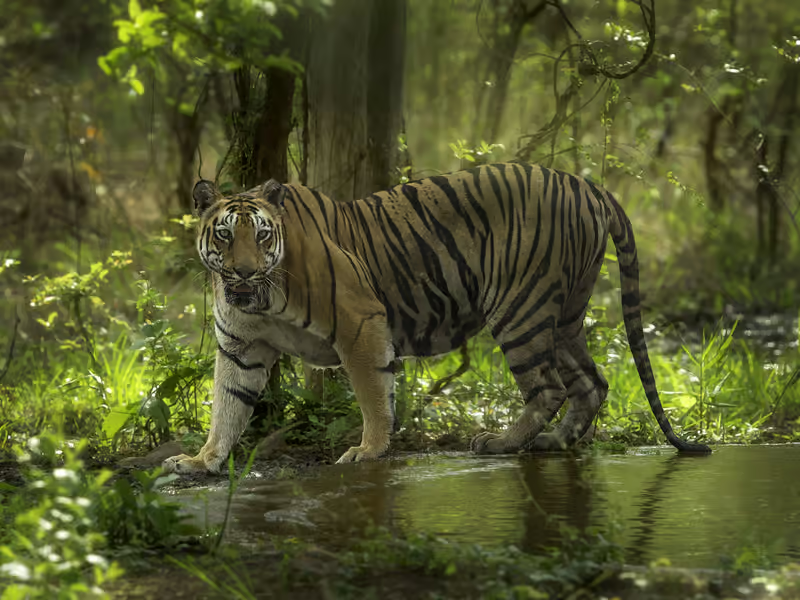
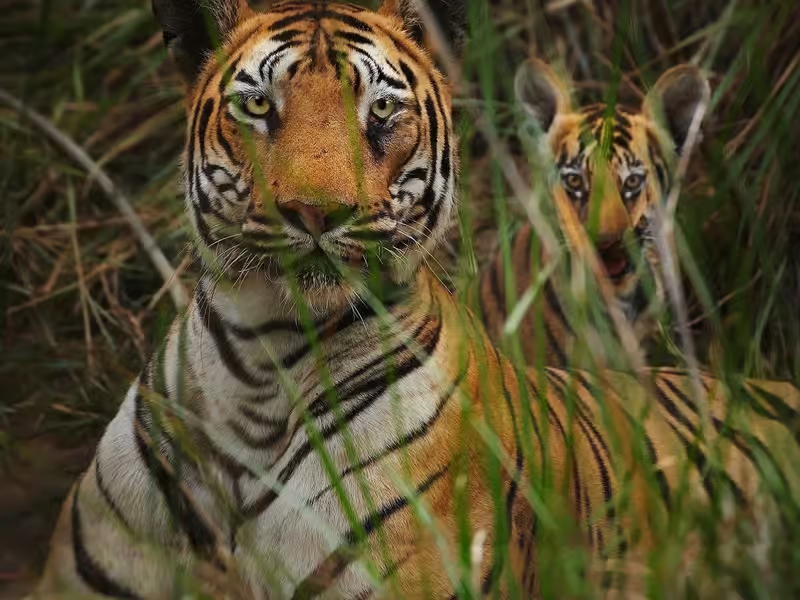
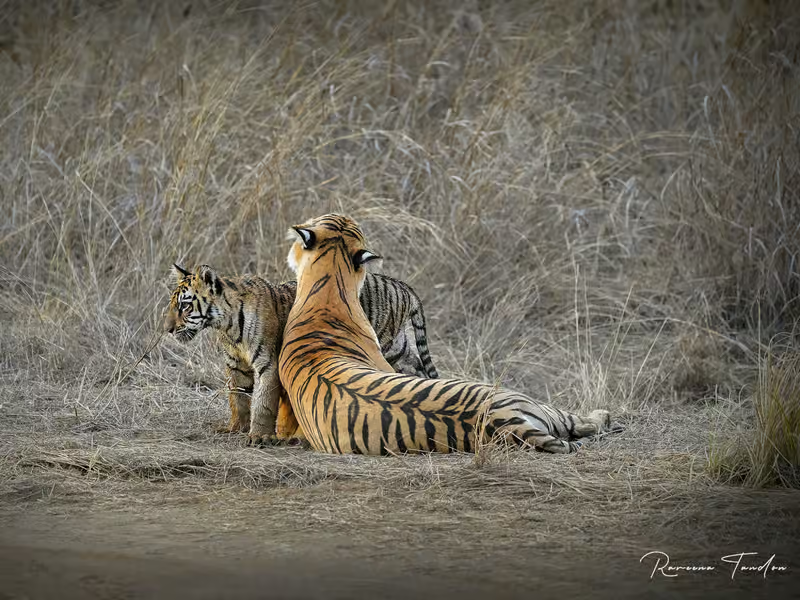
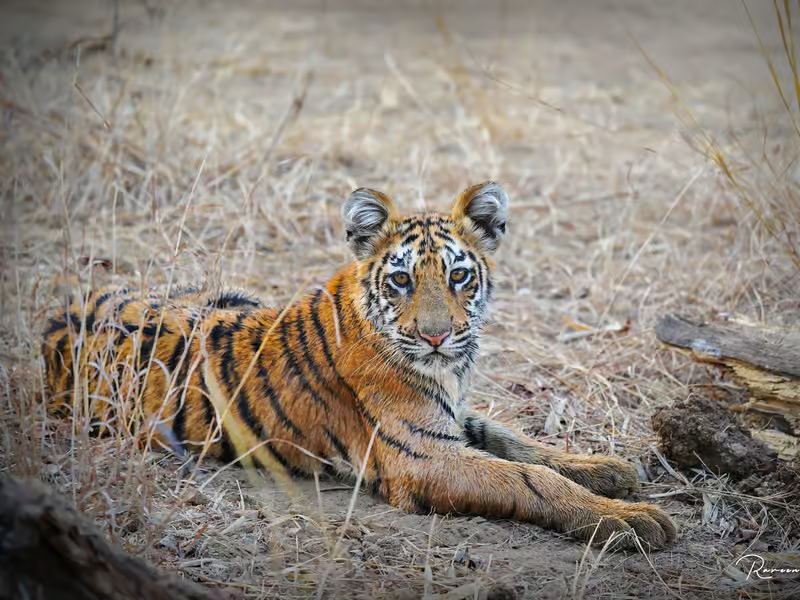
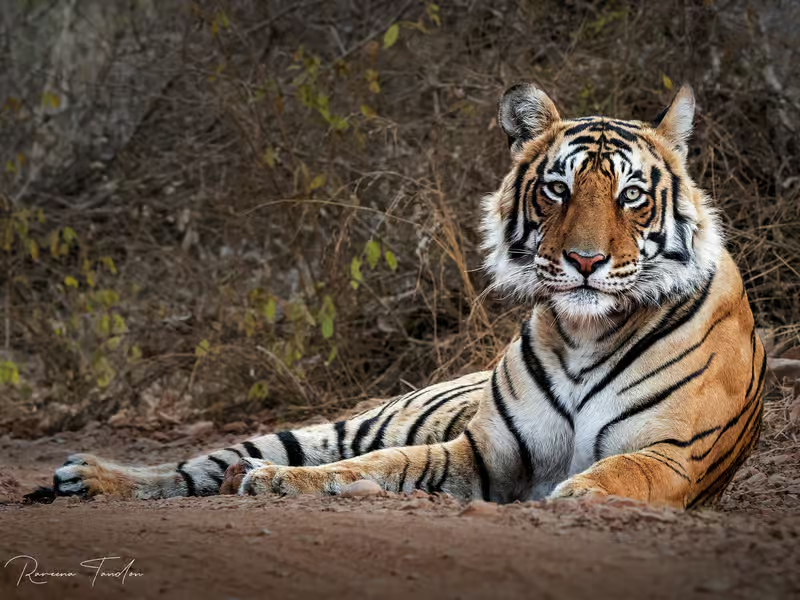
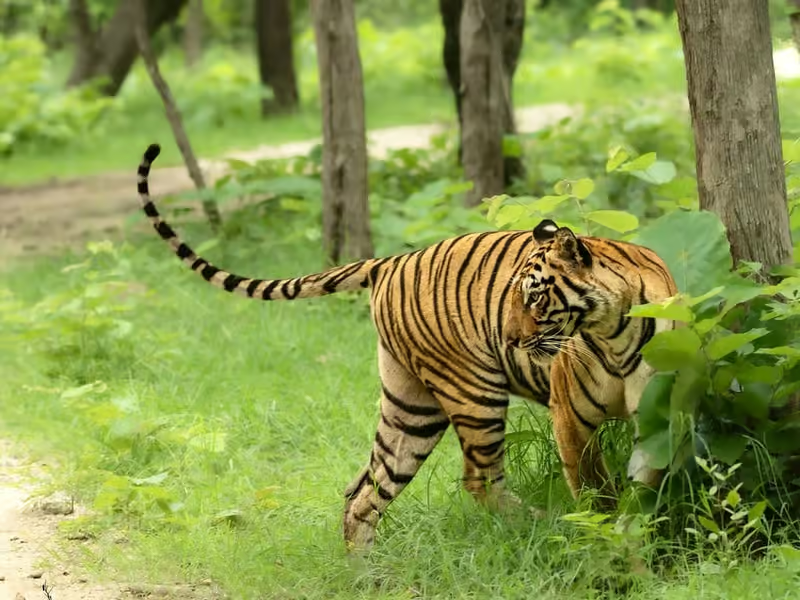
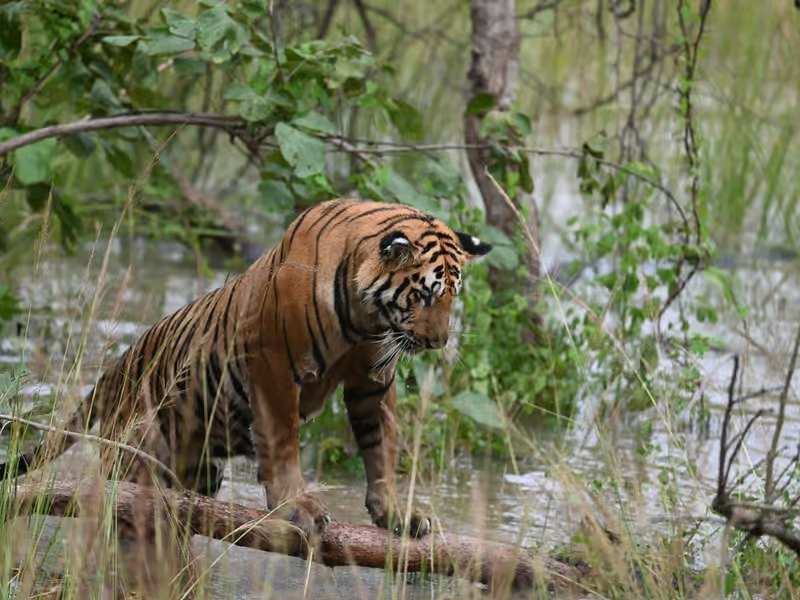
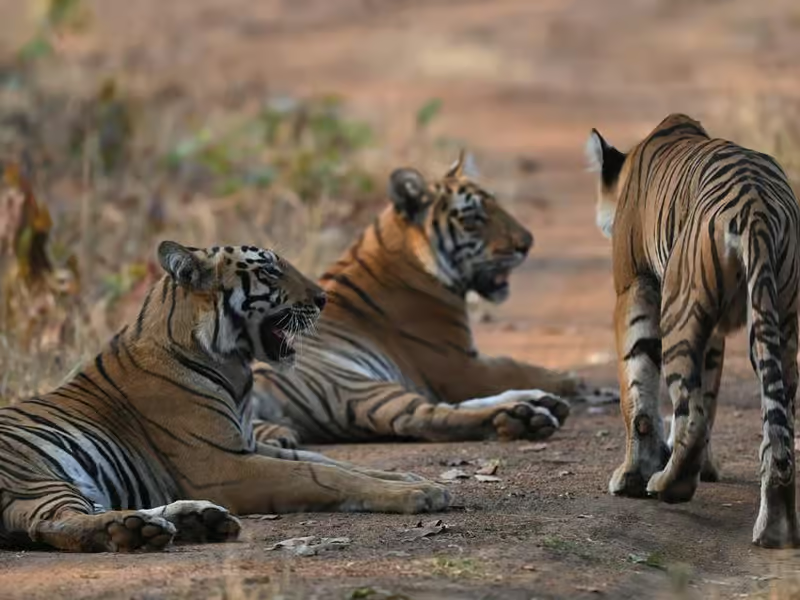
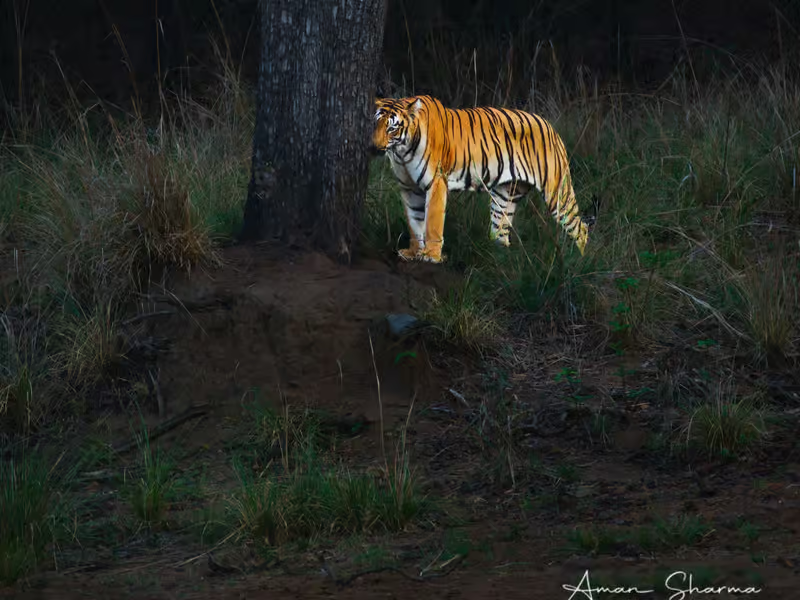
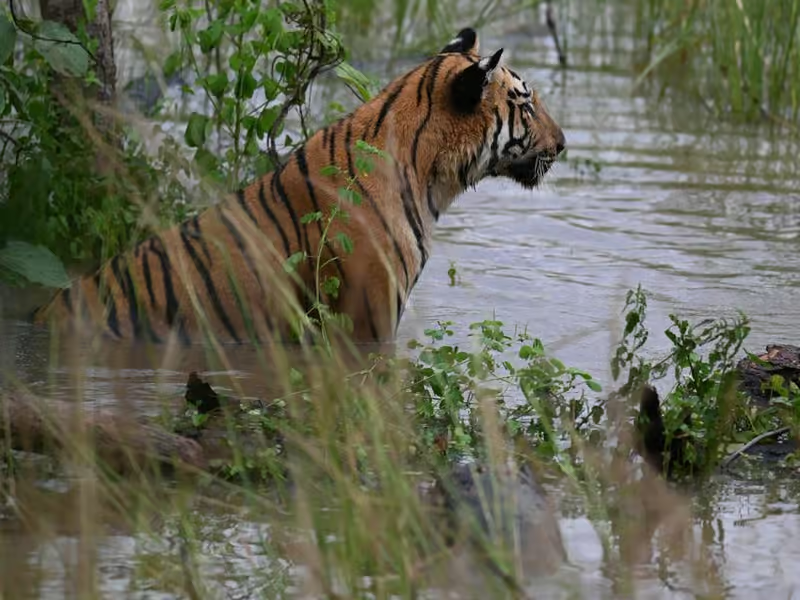
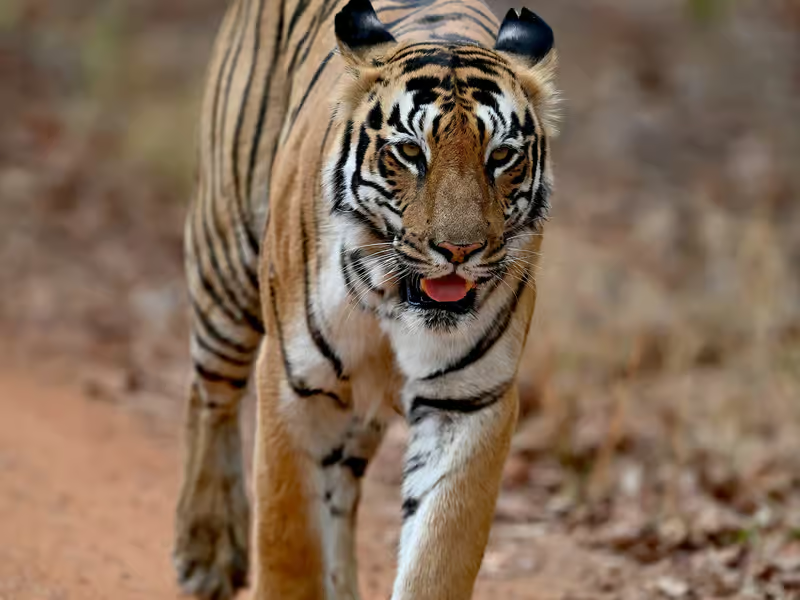
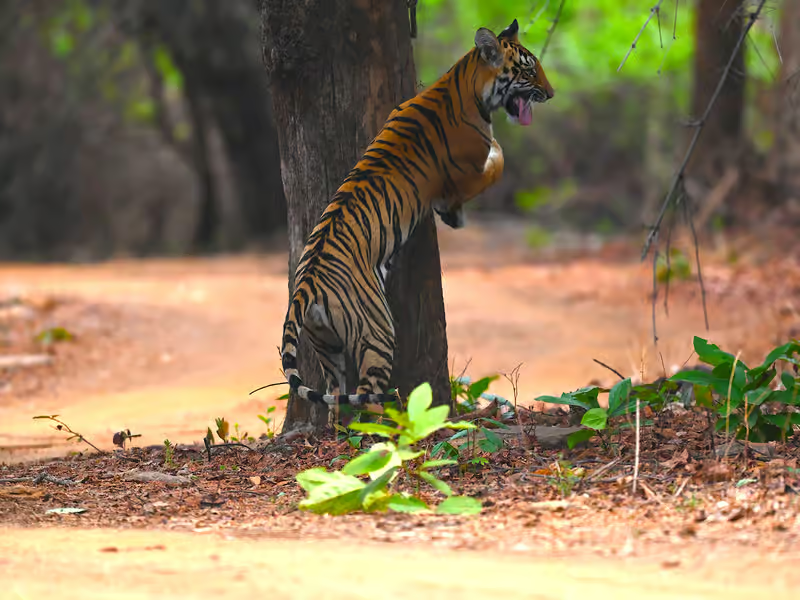
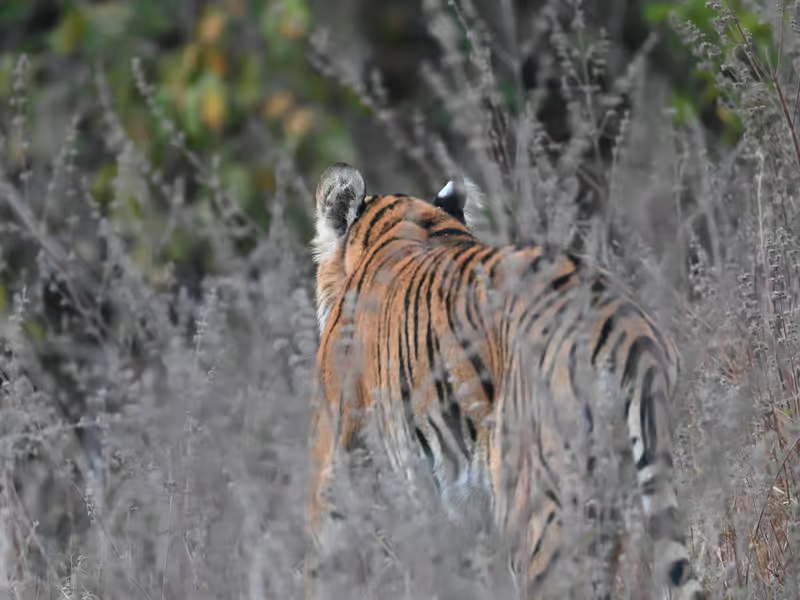
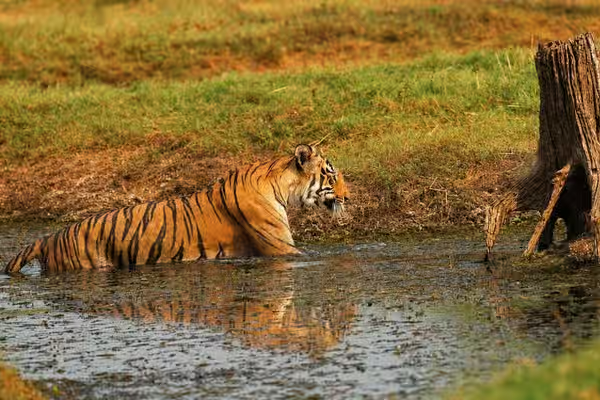
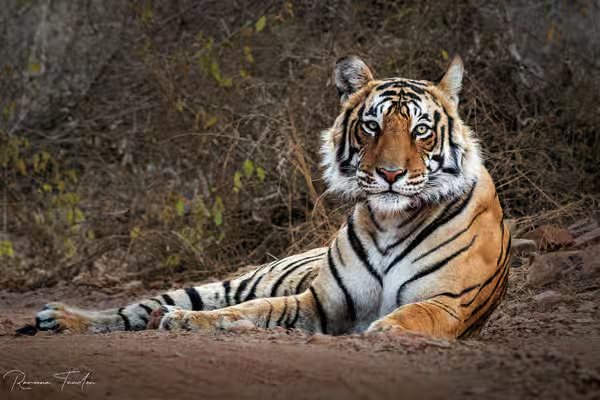
With over 97 tigers, Tadoba has one of the highest densities in the world. Legends like Maya have ruled these paths for years.
Your Tadoba Guide: Weather, History, Zones, Wildlife, Best Time to Visit and Handy Tips
14-day live update
Weather data temporarily unavailable
Right Now
Syncing...
Sunrise & Sunset
--:--
---:--
Relative Humidity
--%
--% chance of rain
Safari Conditions
Unknown
-- km/h wind
14-Day Forecast
To understand Tadoba, you must first look past the tiger. This land, long before it was drawn onto conservation maps, was the domain of the Gond kings of Chandrapur. For centuries, they ruled these forests not as conquerors, but as custodians.
The name itself is a prayer. "Taru" was a village chief revered for his strength and wisdom. Legend says he met his end in a mythological battle with a tiger near the lake. He wasn't forgotten; he was deified. To this day, under the large trees on the banks of Tadoba Lake, adivasis offer prayers at his shrine.
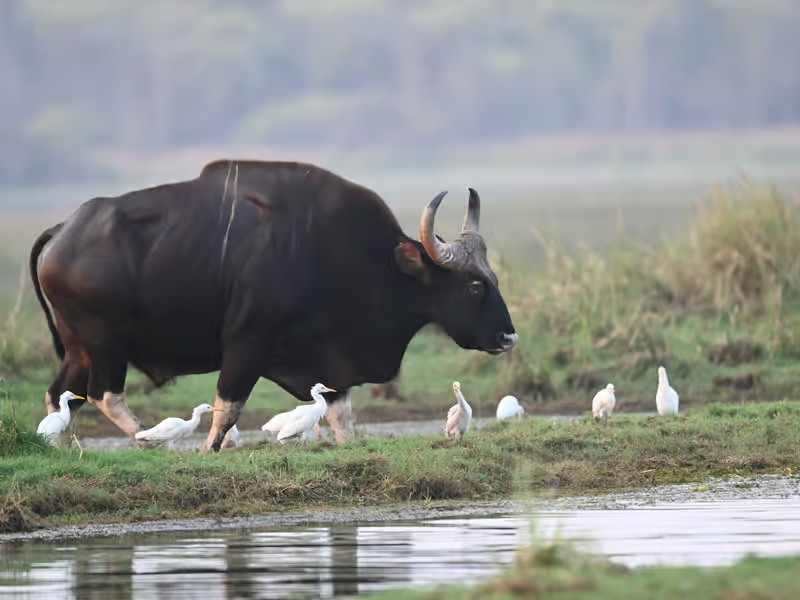
While "Andhari" refers to the river that snakes through the forest—the lifeline during the scorching summer—the Irai River is equally vital. It feeds the Irai Dam and forms the western boundary, creating a unique backwater ecosystem that supports massive herds of herbivores and the crocodiles that hunt them.
What you see today is a hard-won paradise. Tadoba is one of India's greatest conservation success stories. It required the difficult, voluntary relocation of villages from the core zones to give the forest back to its wild inhabitants.
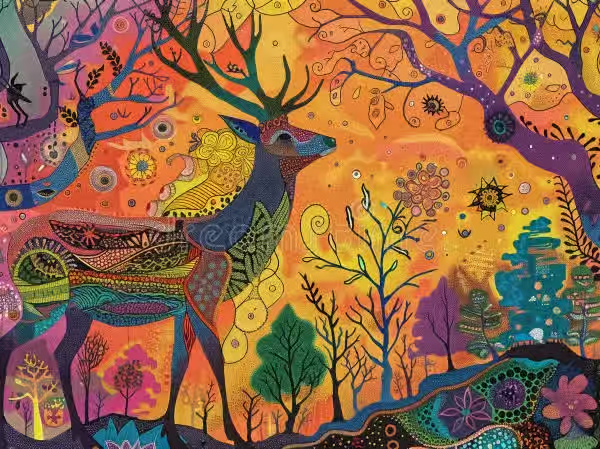
Gond tribal art reflects centuries of forest wisdom in Tadoba
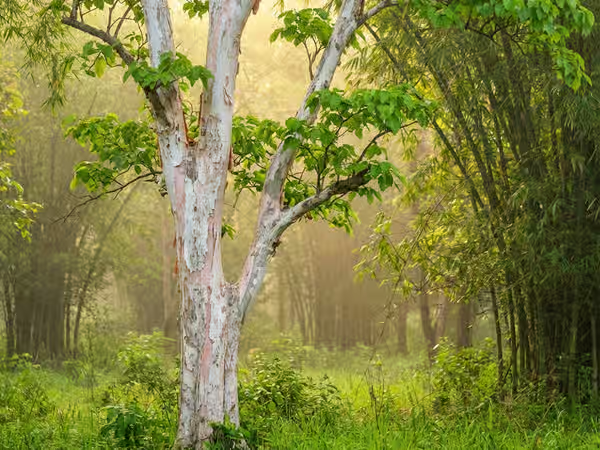
The Ghost Tree (Sterculia urens) in its monsoon flush
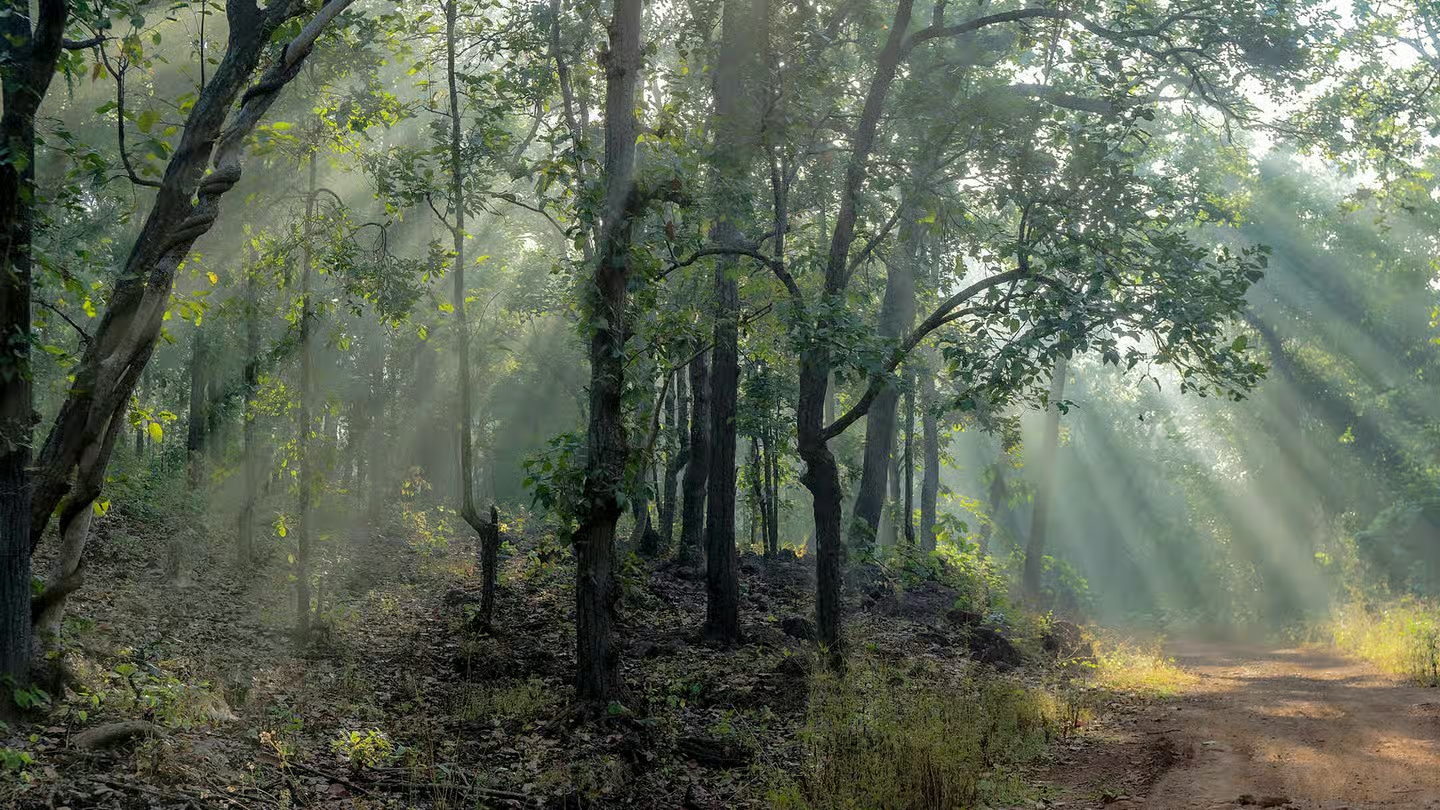
Before you see the tiger, you see the stage. Tadoba's landscape is a visual drama of contrasts. The soil is a deep, ferrous red "Tadoba Rouge", which burns bright against the neon green of the monsoon or the scorched gold of summer.
The skyline is dominated by the Ghost Trees (Sterculia urens). With their peeling white and pink bark, they stand like marble sculptures in the dry deciduous forest.
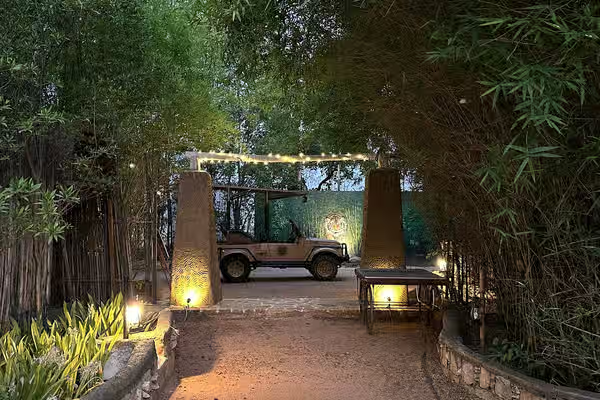
But the true architect of the sighting is the Bamboo. Tadoba is famous for its "Bamboo Cathedrals", the natural tunnels formed by bowing culms. These thickets create the perfect ambush cover, meaning tigers here don't just appear; they materialise. Learn more about the sensory world of these tunnels.
Tadoba is a 625 sq km safari mosaic. Understanding the ranges is the key to matching the forest to your rhythm.
We are located in the Southwest Corridor. We are 5km from the Khutwanda gate and 11km from Moharli. This makes us a unique base from which four core and buffer zones are reachable within a short drive.
Our guide to the Gate Geometry explains why this proximity matters.
The Buffer Secret Tigers don't know or care about core or buffer zones. Sightings in buffer zones like Devada often rival the core because they share the same boundaries. Read more →
Don't be confused: reserving a safari in the "Moharli Range" means you are still in the heart of Tadoba. All ranges are part of the same wilderness.
The Pulse of Tadoba. This range fans out from Tadoba Lake to the Andhari River. It's a landscape of bamboo tunnels and expansive meadows where the reserve's most storied dynasties roam. Limban is located in the Moharli range.
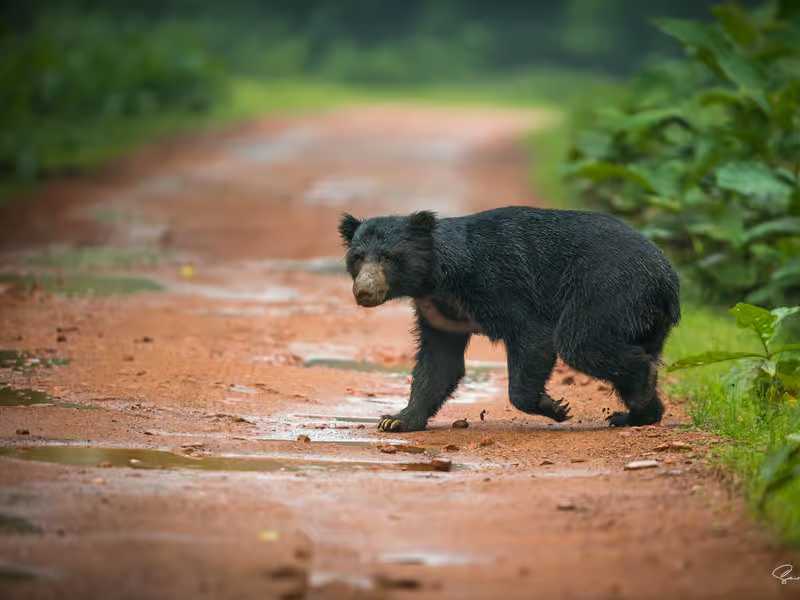
The Highlands. Dramatic, rockier terrain with stunning vistas. Ghost Trees stand like sculptures here. There is a higher probability of Sloth Bears and Leopards in this raw landscape.
The Deep Jungle. Moist deciduous forest where the canopy closes in. The lower visibility creates an unmatched atmosphere for birders and seekers of absolute wilderness.
We built this interactive map from field GPS data to help you visualise the geometry of all noteworthy gates as accurately as possible. Click for specific gate info and boundaries.
For a more detailed discussion on gate geometry and the importance of selecting your accommodation strategically read our full guide: Tadoba Safari Gates: Where You Stay Changes Everything →
Tadoba is home to 97 tigers, but some are more than just numbers. They are legends with names, territories, and dynasties.
The Apex
With over 97 tigers, Tadoba has one of the highest densities in the world. Legends like Maya have ruled these paths for years.
The Prince of Shadows
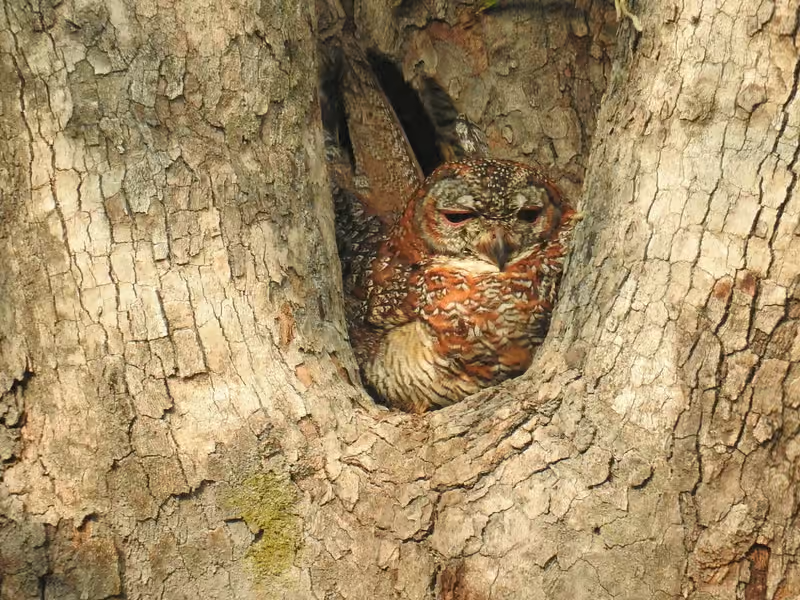
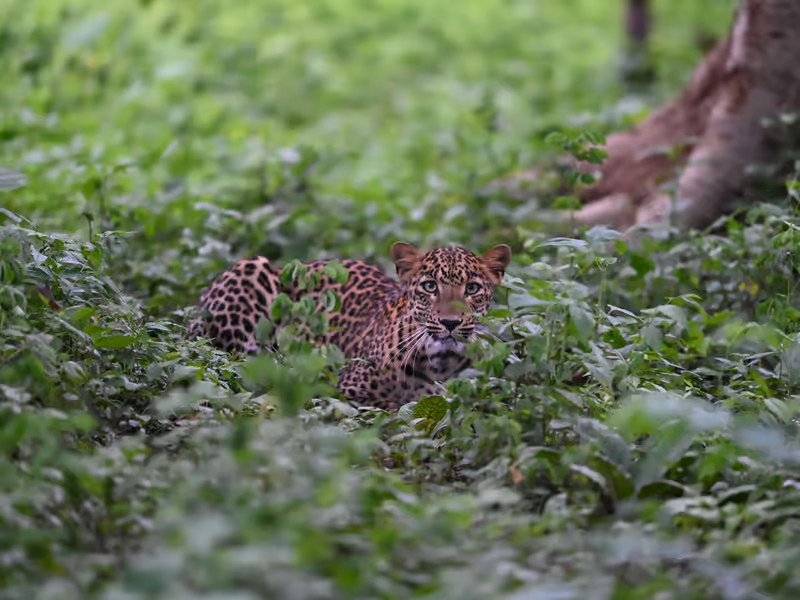
While leopards are residents throughout, Tadoba's true legend is Blackie—a rare melanistic leopard known as the 'Ghost of Tadoba'.
The Grey Ghost
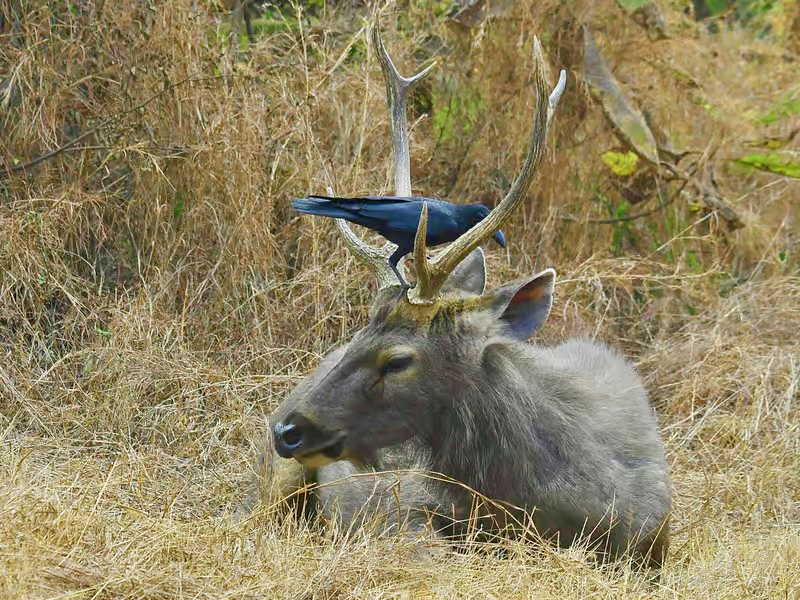
Tadoba is arguably the best place in the world to see Sloth Bears. Unlike their shy cousins, bears here are bold and often seen in daylight.
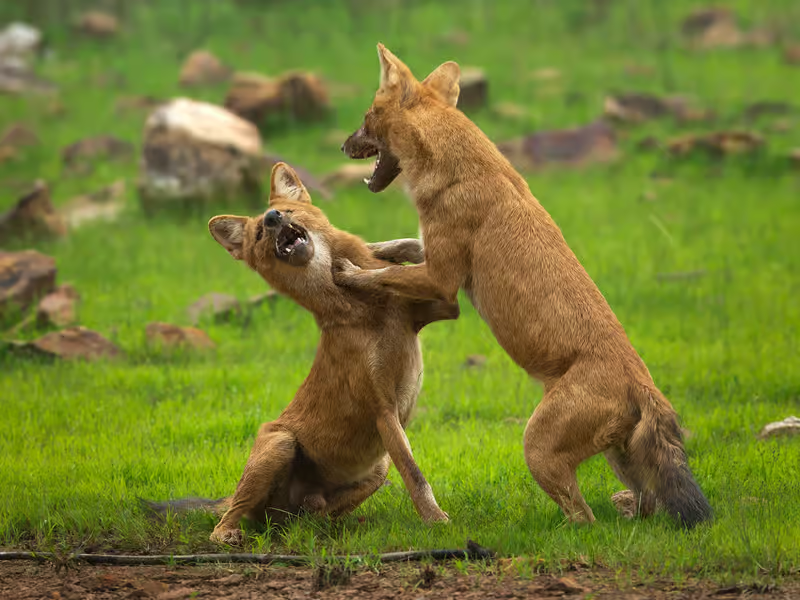
The Whistling Hunters
The Indian Wild Dog is an endangered predator. Watching a pack coordinate a hunt with whistling calls is a rare naturalist's privilege.
Real-world sightings documented and submitted by our guests. A cast of characters equally fascinating, from the elusive leopards to the storied tiger dynasties.
Tadoba changes its skin three times a year. There is no single best time, only different experiences.
Misty Dawns.
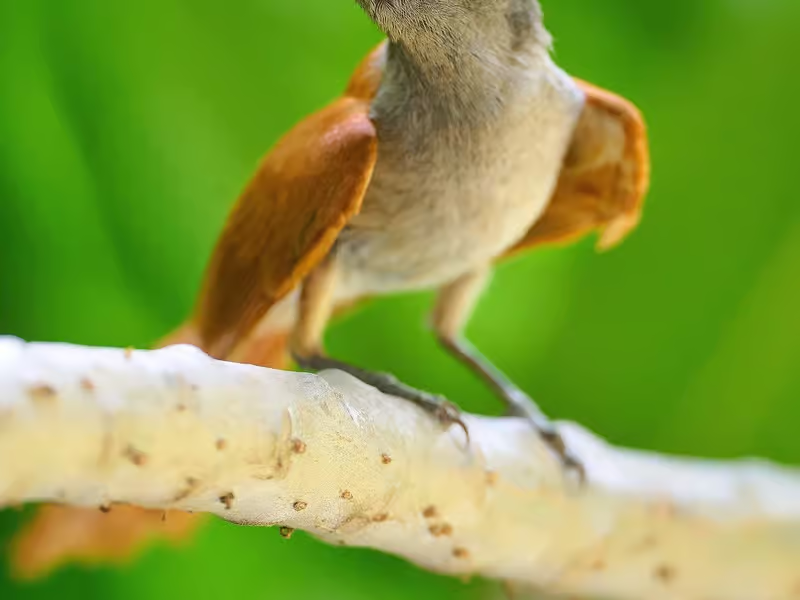
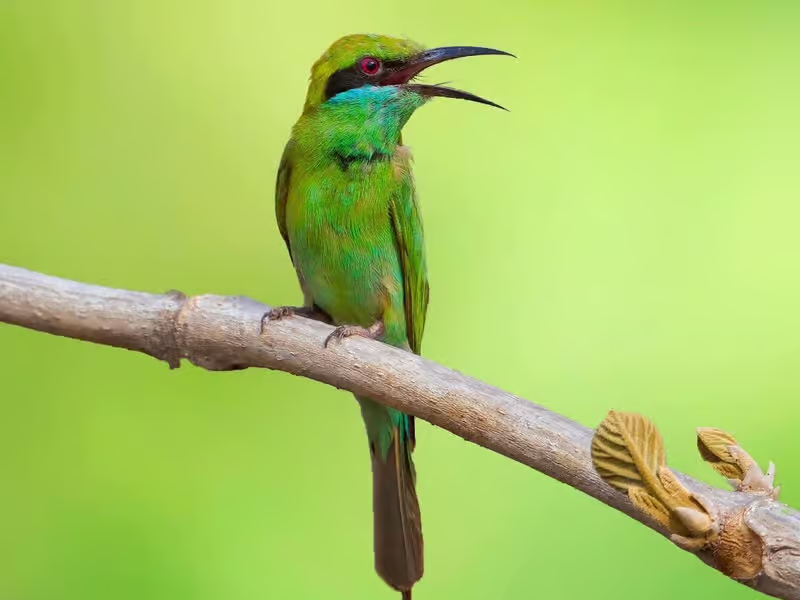
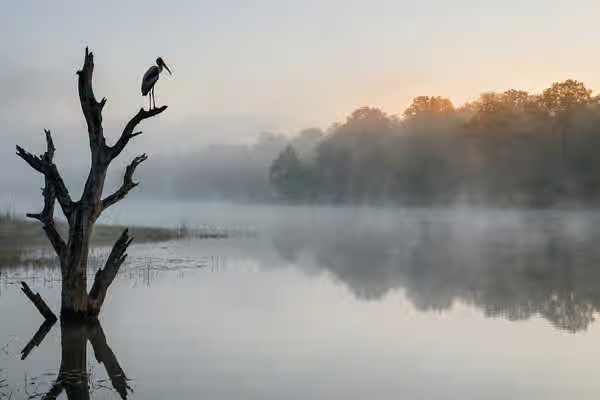
Mornings arrive shrouded in cold mist and you hear the jungle before you see it. Tigers move longer distances and leopards appear on open ground. This is peak migratory birdlife.
Tracking and Mist Photography
Pack: Heavy woolens. 6 AM in an open jeep at 8°C is biting.
The Thirst.
Foliage is stripped bare and every creature converges on water. You wait at a waterhole and the jungle comes to you. Peak sightings occur in May and June.
Tiger Sighting Frequency
Pack: Full-sleeve cottons. See why bathrooms matter.
Lush Green.
The air is thick with the scent of wet earth. While core zones close, the buffer zones offer a quieter perspective of the jungle's smaller wonders.
Macro, Birds and Solitude
Pack: Rain gear. Our Birding Guide shines now.
A safari here is not a passive drive. It is an immersion. These are the details your naturalist won't tell you, but they probably wish you knew before you arrived.
Tadoba's fine red soil will coat your clothes, your camera, and your skin by the end of any drive. Don't fight it. It is the forest claiming you. By your third safari, you'll stop noticing and start wearing it like a badge of honour.
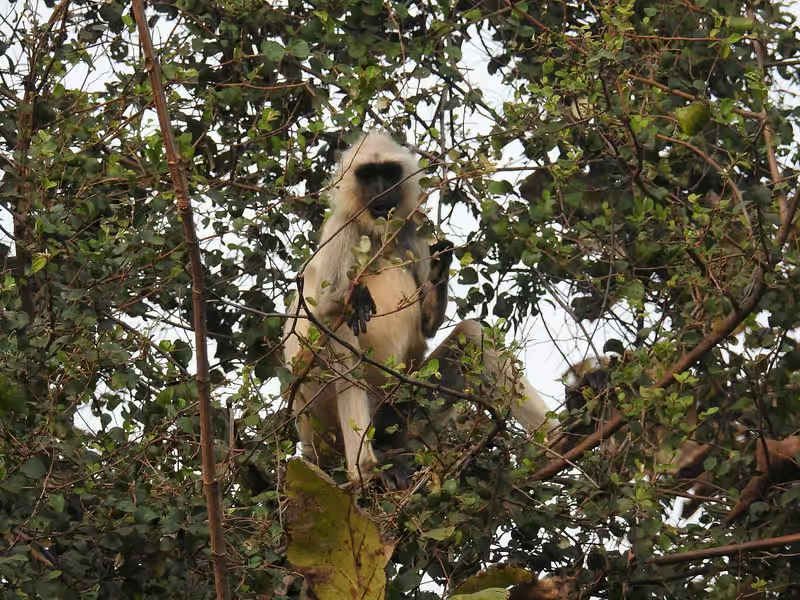
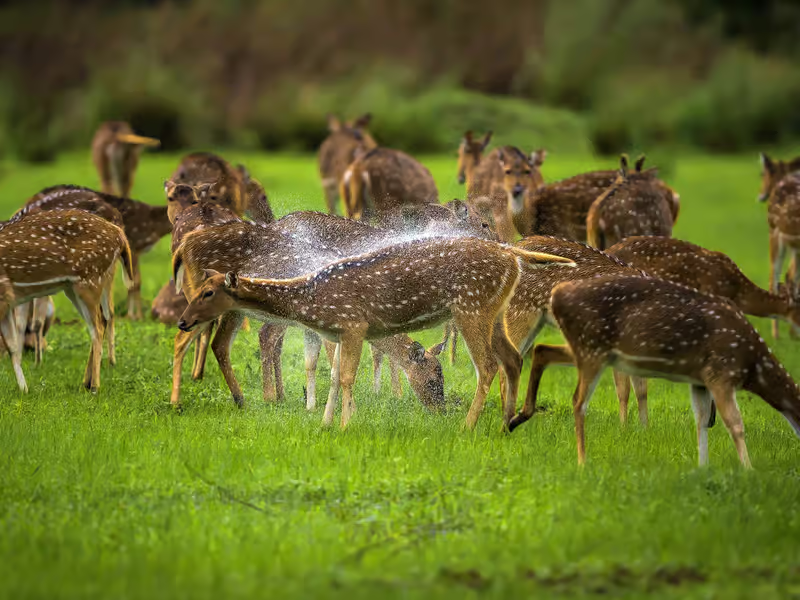
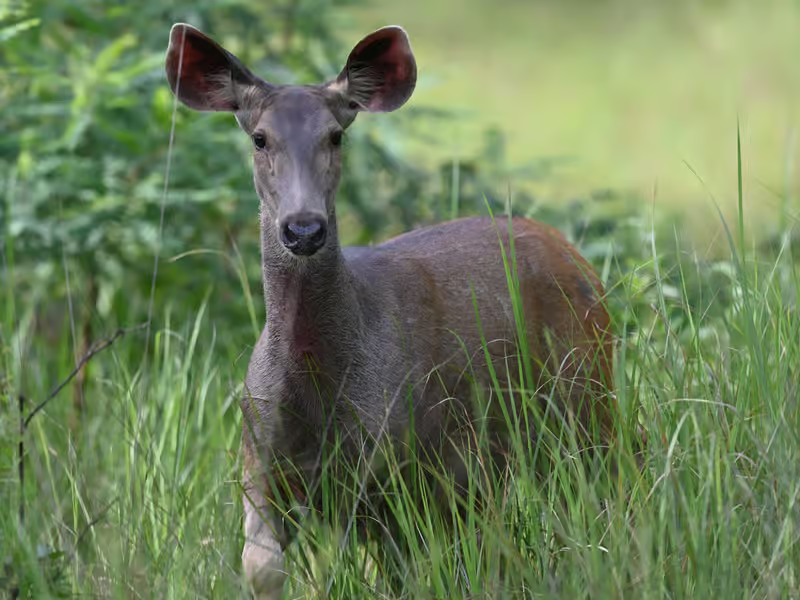
Naturalists don't chase tigers, they listen for them. The jungle has its own news network. A Chital's sharp bark, the panic in a Langur's call: these are the cues that start the heart. See our guide on tuning into the forest with your ears.
There is no mobile signal in the core zones. No emails, no stories, no scrolling. Just you and the forest. It feels unsettling for the first hour and absolutely liberating for the rest. You will find yourself looking up, not down. That shift is the whole point.
Every Tuesday, the core zones close. It is a day of rest for the animals, a reminder that we are merely guests in their home. Most visitors use this day to explore the buffer zones or Irai Lake, where the story continues at a gentler, more contemplative pace.
Common queries about planning your Tadoba safari
The park is more than just coordinates on a map. Read our stories on the seasons, the species, and the state of mind required for the forest.
Permits. Gates. Timings. Zones. All sorted long before you arrive - so when the jeep rolls out at dawn, you're thinking about the forest, not the paperwork.