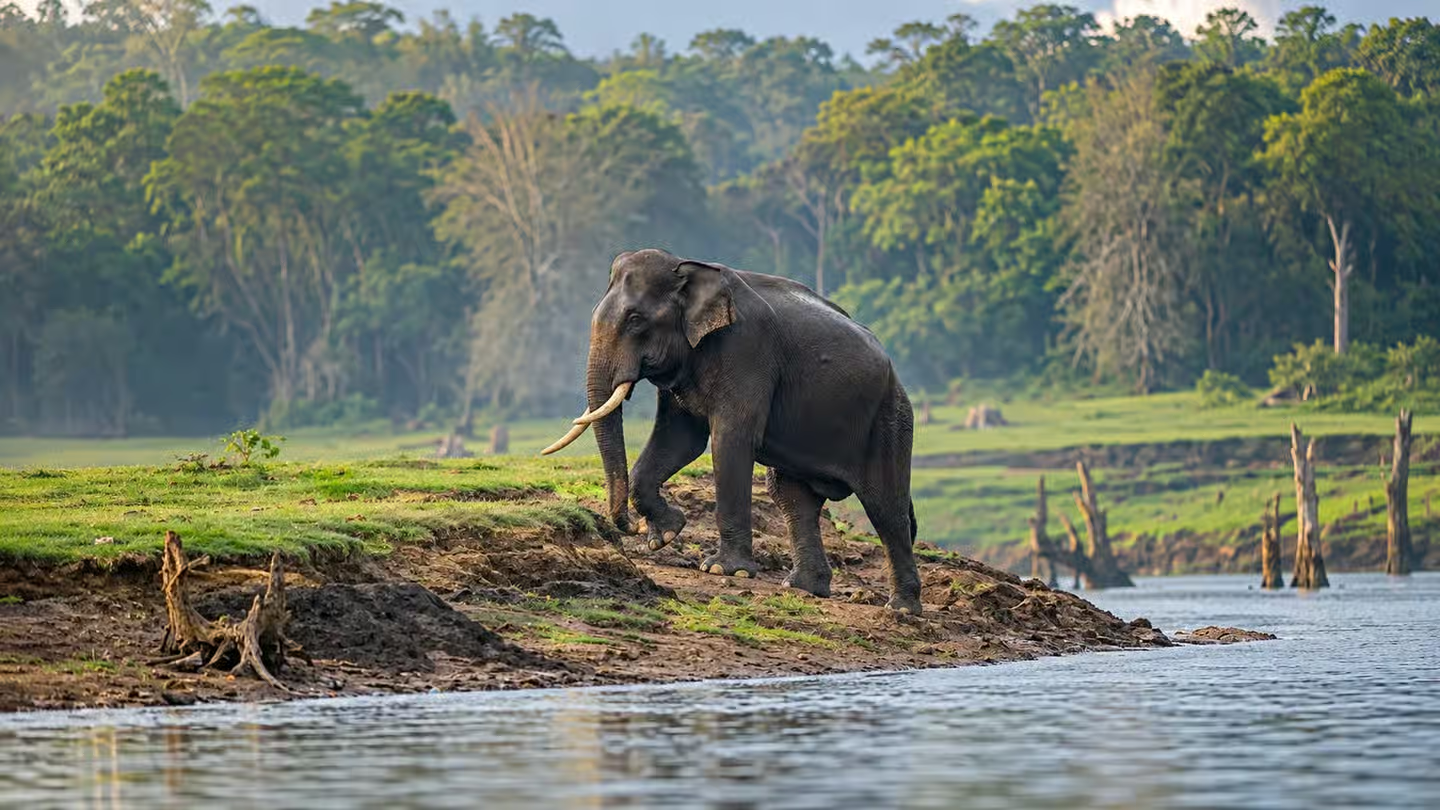
Nagarhole National Park meets most travellers at Kabini: evening on the backwaters, and the far bank is moving. Not one herd but several: elephants grazing the exposed riverbed in long lines, gaur among them, spotted deer at the waterline, a mugger crocodile holding station mid-channel like a half-submerged log with opinions. Somewhere behind the treeline a tiger is doing whatever tigers do at dusk. The boat does not go looking. The boat has three hundred elephants to show you instead.
Nobody who has watched that shoreline calls Kabini second-best at anything. The question is only whether what it stages is what you came to see.
The river
The Kabini reservoir drowned a river valley and created, by accident, one of Asia's great wildlife arenas. In the dry months the water drops and the exposed bed turns to pasture: hundreds of elephants, gaur herds, deer in their hundreds, predators following the procession. It is the single finest large-mammal spectacle in southern India, and unlike most such claims, this one photographs exactly as advertised.
Nagarhole National Park, the reserve Kabini belongs to, spreads some 643 square kilometres of moist deciduous teak and rosewood north of the water. The last national count put its tigers at 141. The forest holds leopards in unusual density, dholes, sloth bears, and the otters and crocodiles of the reservoir itself. On paper this is complete tiger country. On the water, the tiger is one cast member among dozens.
Leopards, including a black one
Here is Kabini's honest headline, and it is not the tiger. The Kakanakote forest holds India's most famous melanistic leopard, a black panther tracked since 2015, plus the leopard dynasties a well-known local photographer's decade of documentation made familiar: big spotted males holding riverine territory in unusual visibility. Ask what Kabini reliably delivers that almost nowhere else does, and the answer is leopards: spotted, rosetted, and one famous black, working the same backwater fringe the elephants graze.
Tigers use the same ground and show themselves less obligingly. Zone A runs the deep forest tracks, Zone B the waterfront and Kakanakote, and both produce cats with less regularity than the boat produces elephants. A Kabini trip measured in tigers is a trip measured by the wrong instrument.
Two doors into the same forest
Kabini runs a two-track entry system, and understanding it matters more here than at most parks. The lodge track, run through the state tourism corporation and its licensed partners, bundles stay with safari quotas: boat and gypsy alternating across your nights, naturalists included, the premium product and priced like one. The forest department track runs from the Dammanakatte counter and the northern gates: gypsies and twenty-seat buses anyone can book, far cheaper, without the boat option or the quota certainty.
Neither track is a trick, but they are different holidays sharing one forest. The northern gates at Veeranahosahalli and Nanachi run quieter, classic jeep safaris for travellers who want the forest without the backwater theatre. Tadoba's single portal and twenty-two gates look, by comparison, almost rudely simple.
Getting there, and the southern circuit
Fly to Bengaluru, drive five hours southwest, or base in Mysuru at under two hours. Kabini pairs with Bandipur across the water, with Wayanad, with Coorg: the southern circuit again, self-contained and complete. Against Tadoba it is a different airport and a different holiday. From Limban: not combinable, full stop.
When to go, and how far ahead to book
February to May is the arena at full capacity: backwaters low, congregations enormous, cats active along the banks. Winter brings green beauty and leopards in mist. Monsoon keeps running, moody and rain-geared. Lodge quotas reward the standard advice: book the room, and the safaris follow. Forest department seats move on shorter fuses.
So which one
Kabini for the river spectacle and the spotted cats: elephants by the hundred, leopards including a black one, boats at dusk, the finest wildlife theatre in the south. If water and congregation are what you want from a safari, there is no contest and Tadoba is not in it.
Tadoba for the tiger as the premise: readable teak, waterhole appointments, habituated cats at close range, a forest structured around the encounter rather than the panorama. Comparing more than these two parks? All fifteen Tadoba verdicts stand side by side in the India Tiger Parks series. The river stages everything. The waterhole delivers the one animal.
Planning a Tadoba safari?
If Tadoba is your destination, stay at Limban and safari from Limban. Tell us your dates and we plan both halves together: room and forest, confirmed before you arrive. Start the Conversation →