
This is what greets you the moment you step in — warm light, open space, the smell of wood and something good cooking somewhere. You haven't even put your bags down and you already feel it.
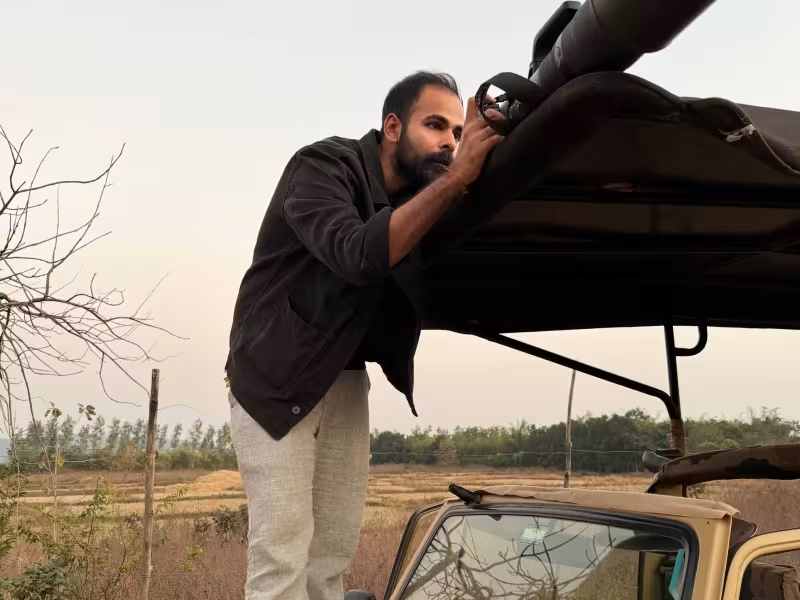
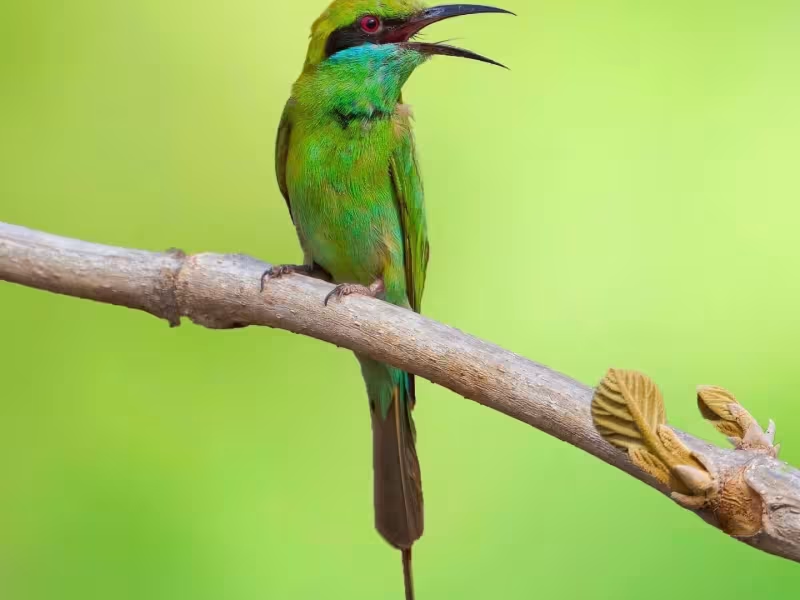
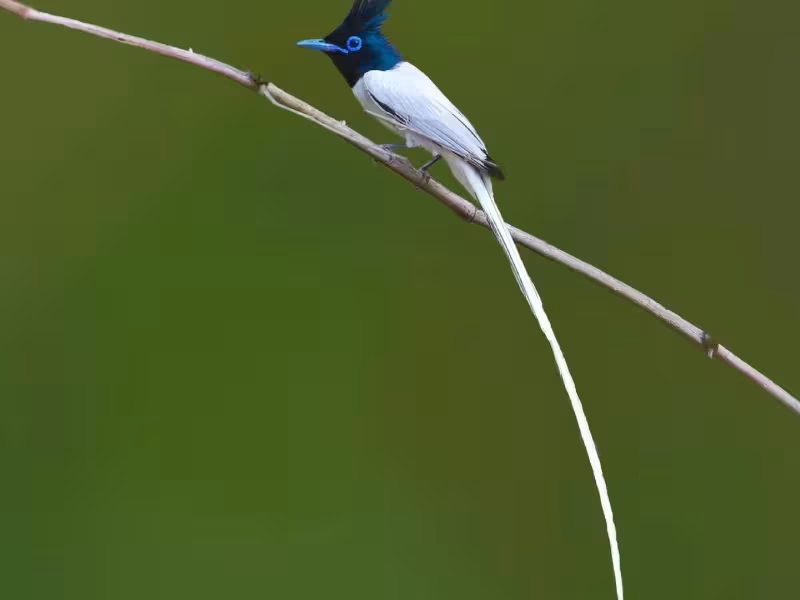
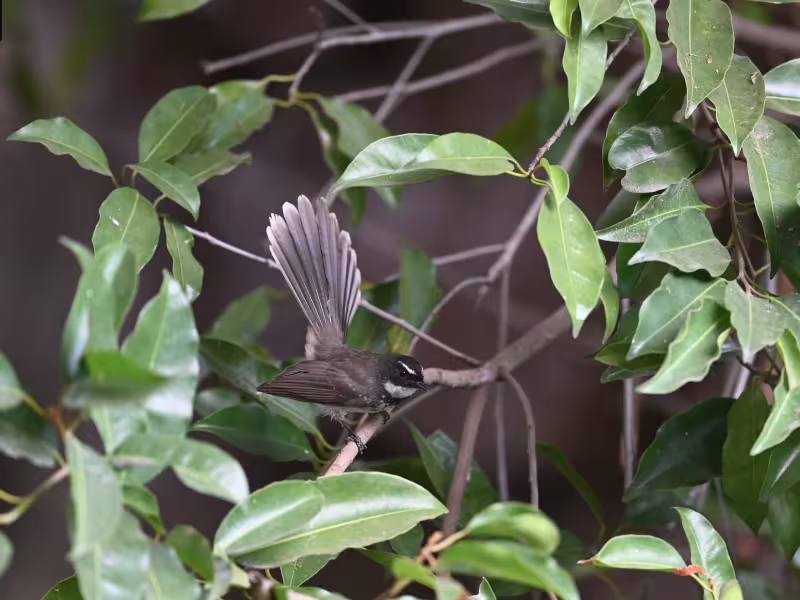
When the light hits right and a rare bird lands just ahead, nothing else matters. Your Limban safari vehicle becomes a mobile hide — and you, a photographer with the whole forest as your studio.
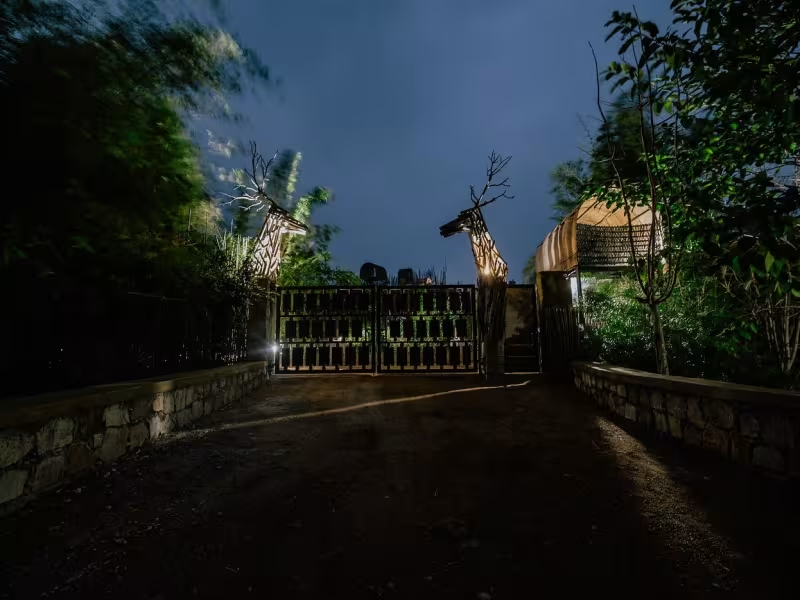
The gates open twice a day — once at dawn, once in the afternoon. Every time, there's that quiet electricity. You don't know what's out there. That's exactly the point.
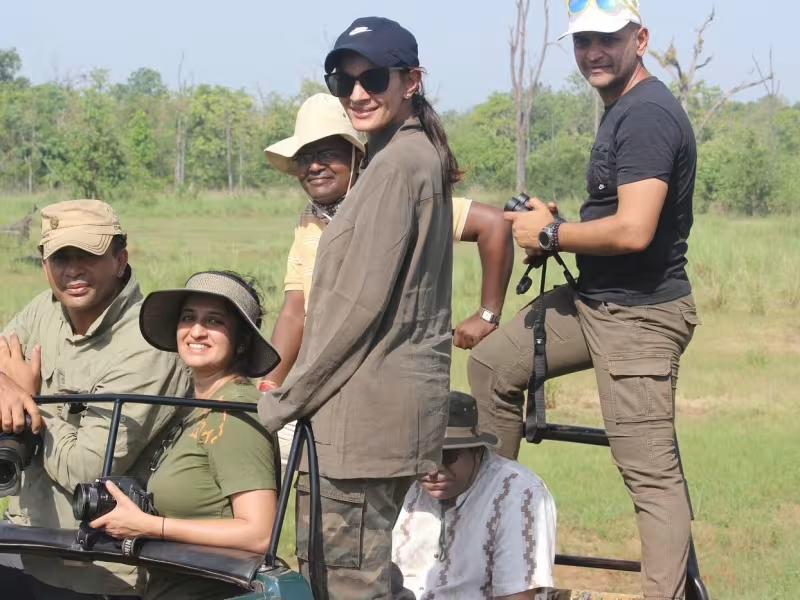
Six people. One vehicle. One shared obsession: the hope of a tiger. Afternoons in Tadoba have a particular quality — golden, dusty, crackling with possibility. You'll know it when you feel it.
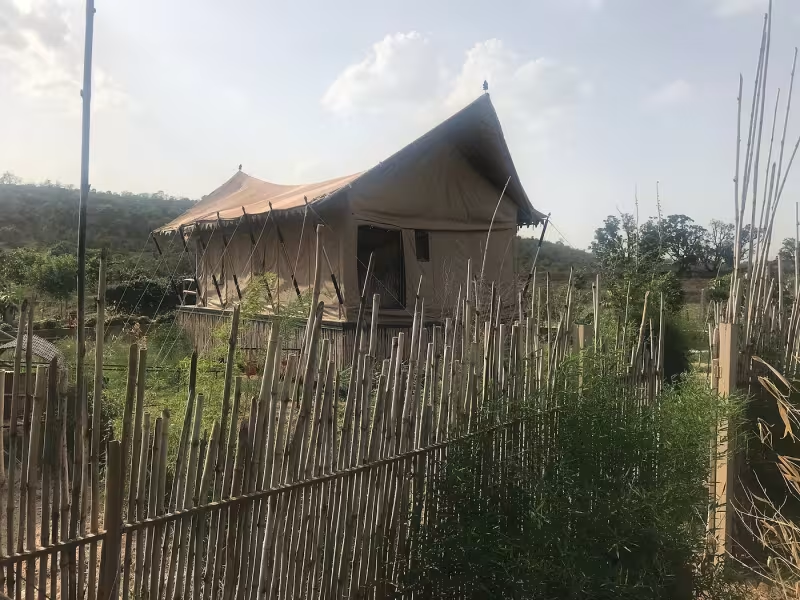
The Canvas doesn't announce itself. It sits quietly in the middle of bamboo, thatched and grounded, looking like it grew there. Which is sort of the whole idea.

Aamti. Bhaat. Rassa. Koshimbir. And a view of the forest beyond your plate. There's nothing more grounding than eating the food of this land, exactly where it belongs.

After dark, the Café glows from within — lit up like a lantern in the jungle. This is where the day winds down: a nightcap, a conversation, the sounds of the forest drifting in.
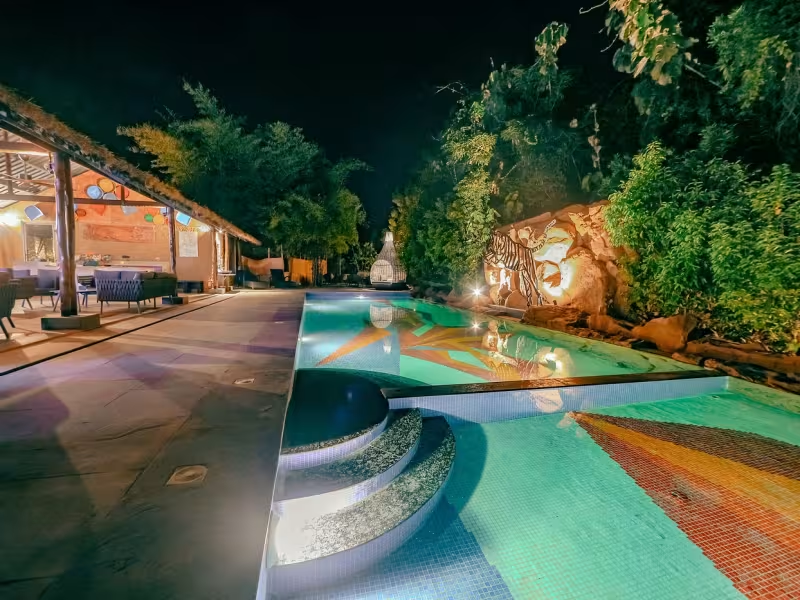
Twenty-five metres of still, cool water. A smaller pool for the little ones. Trees on all sides. The only sounds are birds, water, and the occasional splash. This is what afternoons are for.

The lobby isn't just a check-in counter. It's the heart of the resort — open to the garden, always breezy, always someone having tea or planning the next morning's safari. Sit here long enough and you'll feel completely at home.
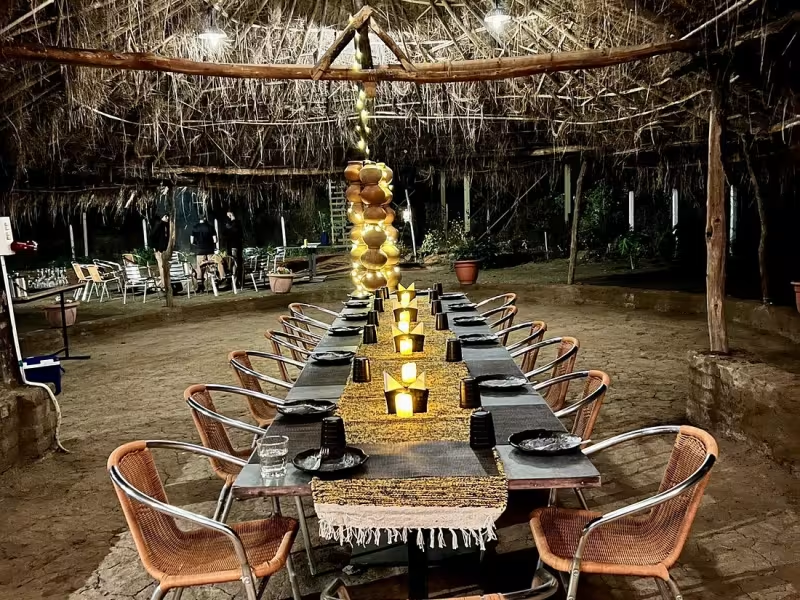
Long table. Candles. Open sky. Limkheda is where milestones become memories — birthdays, anniversaries, reunions — all set against the forest night and a sky full of stars you forgot still existed.

That ceiling isn't just decoration — it's a whole moment. Standing under the hand‑knotted rope ceiling installation of LeMaya Bar, arms open, tiger mural behind you. You're not posing for a photo. You're just that happy.

Between safaris, there's time. Some guests use it to nap. Some use it to read by the pool. Some use it to challenge each other to table tennis in a room that has the forest for wallpaper.

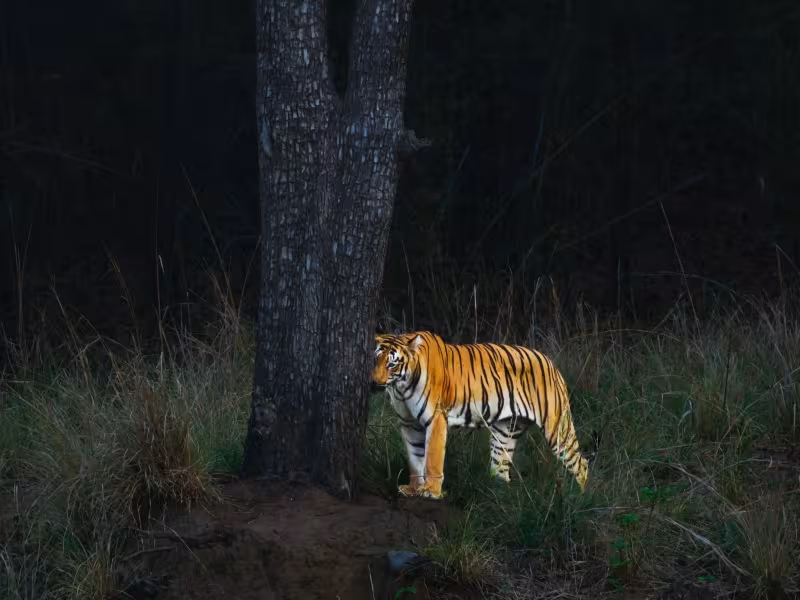
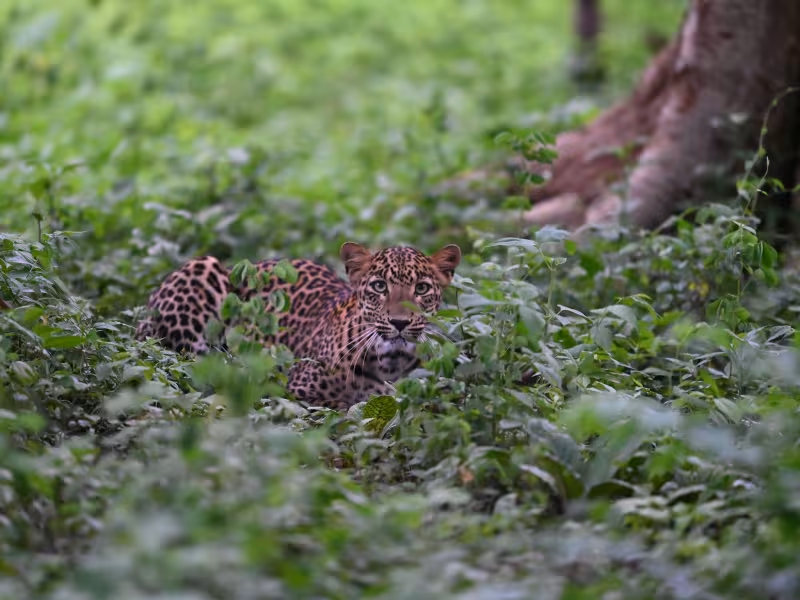
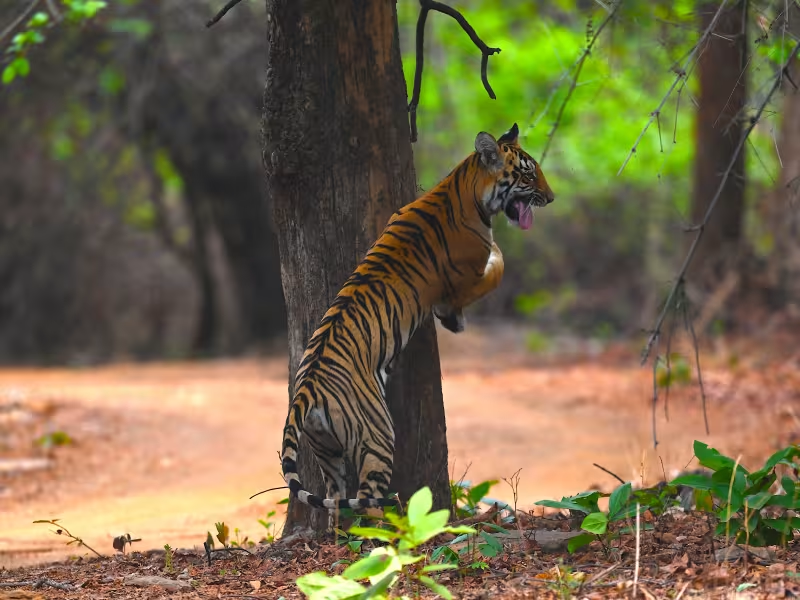
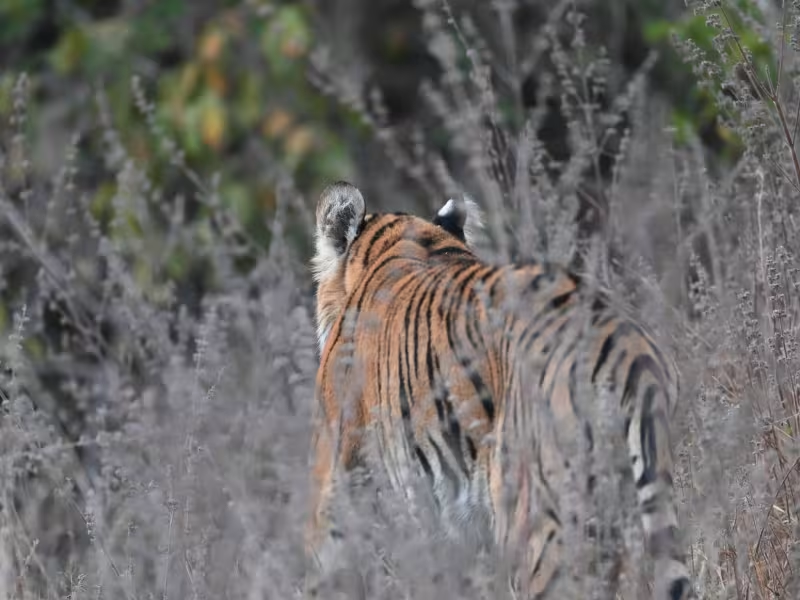
Post-monsoon Tadoba is something else entirely — green so deep it looks painted, the air thick with life. And there, in the gap between two trees, a tiger. You raise your camera. Your hands don't even shake.
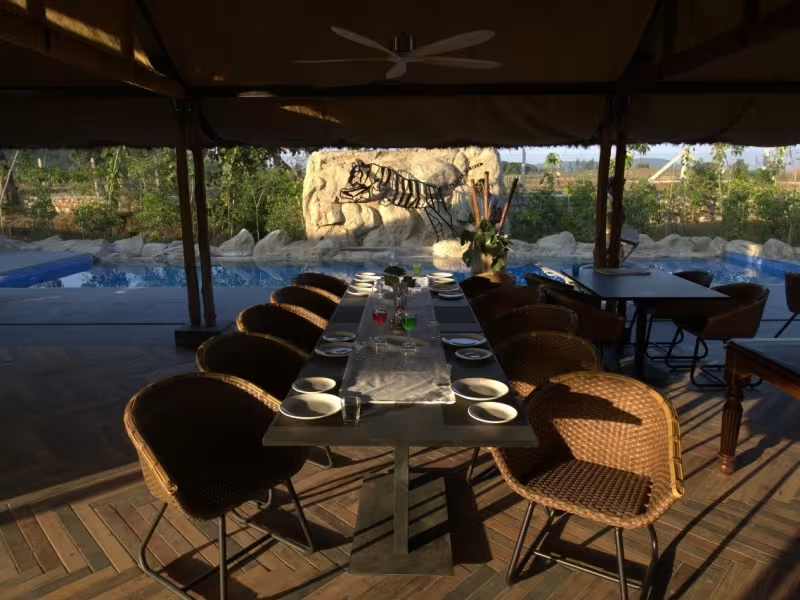
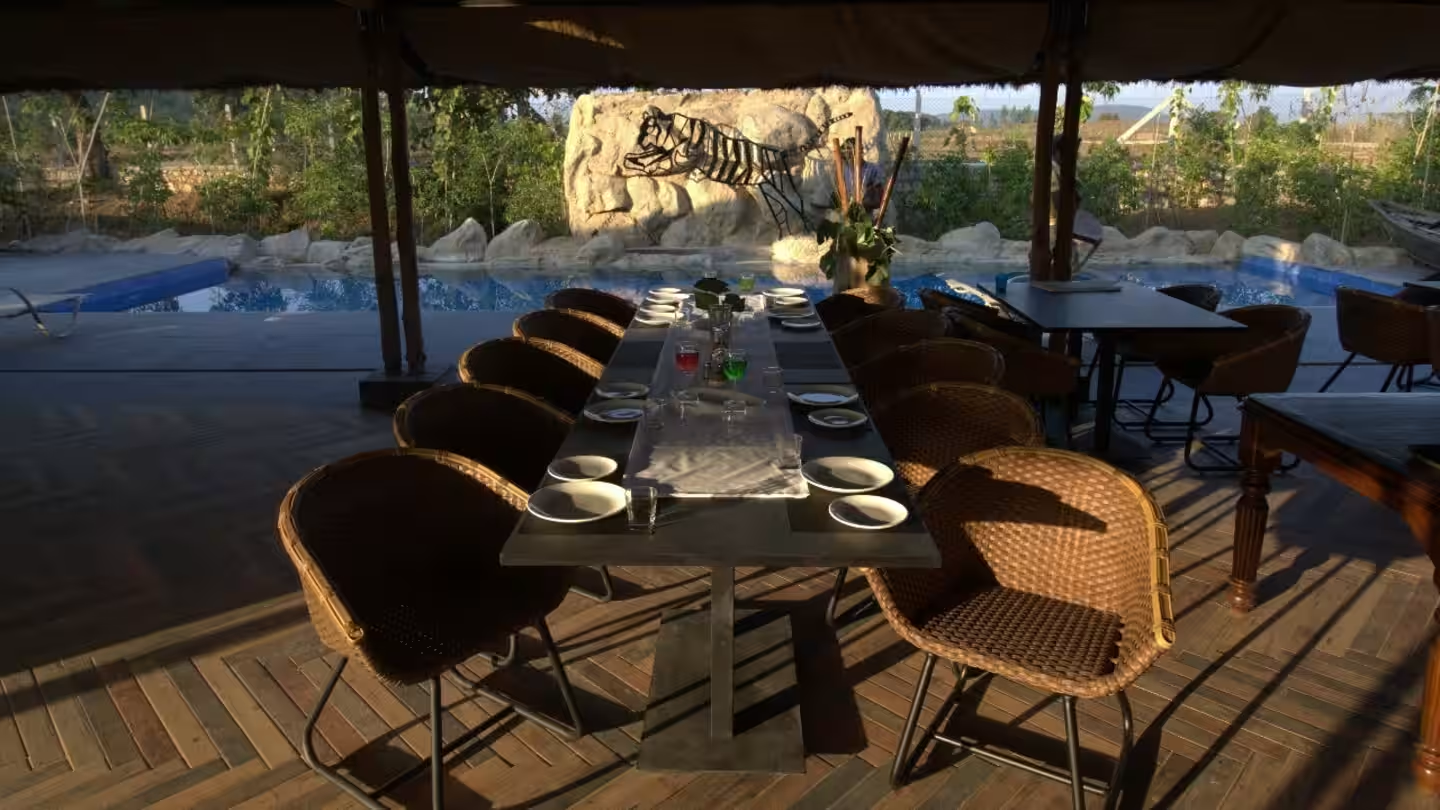
Dinner at LeMoor, poolside, with the tiger rock looming behind the table and the canopy fan turning slowly overhead. This isn't just a meal — it's a setting worth remembering as long as the food.

The path to your room is part of the experience. No lifts, no corridors — just a quiet lane through trees, and a bicycle if you'd rather coast than walk. Guests often say this stretch alone slows them down in the best way.

By day, it's the last thing you see before the forest swallows you whole. By evening, it's the first thing that welcomes you back. Either way, crossing this gate means something is about to begin.
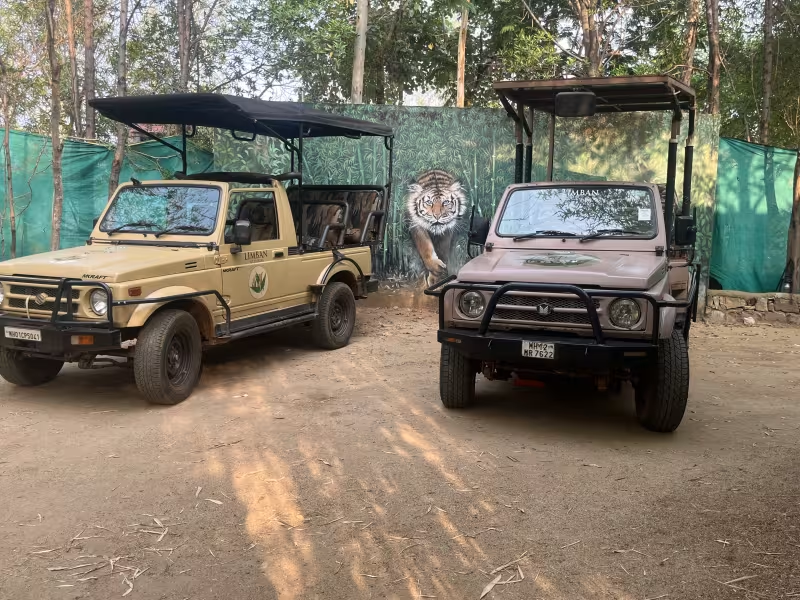
These aren't rented jeeps. They're Limban's own — built for Tadoba, cleaned after every drive, loaded with your packed meal before departure. The vehicle is part of the service.
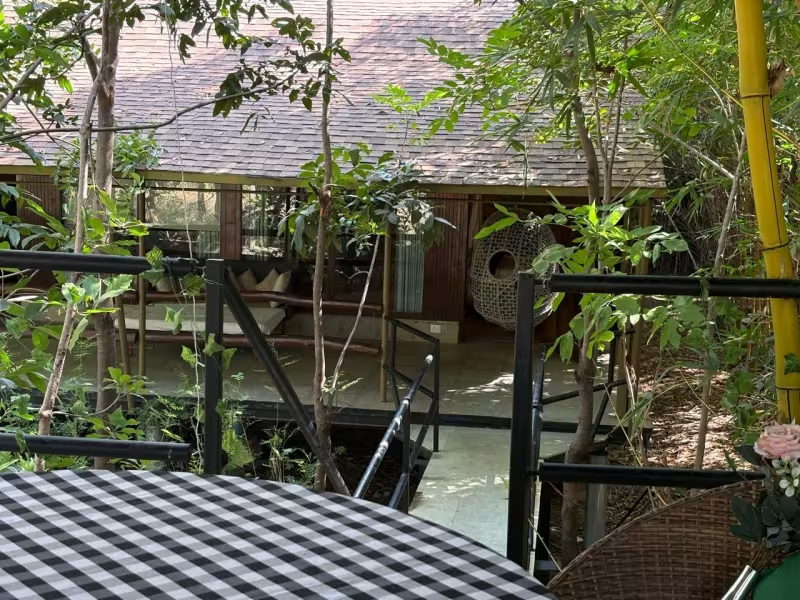
This is what you see when you step out of your suite in the morning — your own deck, the garden beyond, bamboo rustling somewhere close. It's the kind of view that makes you delay breakfast.

Chai before the safari. Coffee after. Limban Café sits right by the reception — always open, always warm, always smelling of something freshly made. It's the first and last stop of every good day here.

After dark, LeMaya glows from behind the trees. From outside, it looks like a secret — the kind of place you'd stumble upon and never want to leave. Which is exactly what tends to happen.

The resort doesn't feel like one. Wide paths, open skies overhead, the lobby building on one side and a curtain of trees on the other. Getting to your room is its own kind of walk.

The Canvas is the kind of room that looks better from outside than most hotel rooms look from inside. Solid structure, proper suite amenities, and that unmistakable sense of sleeping at the edge of something wild.
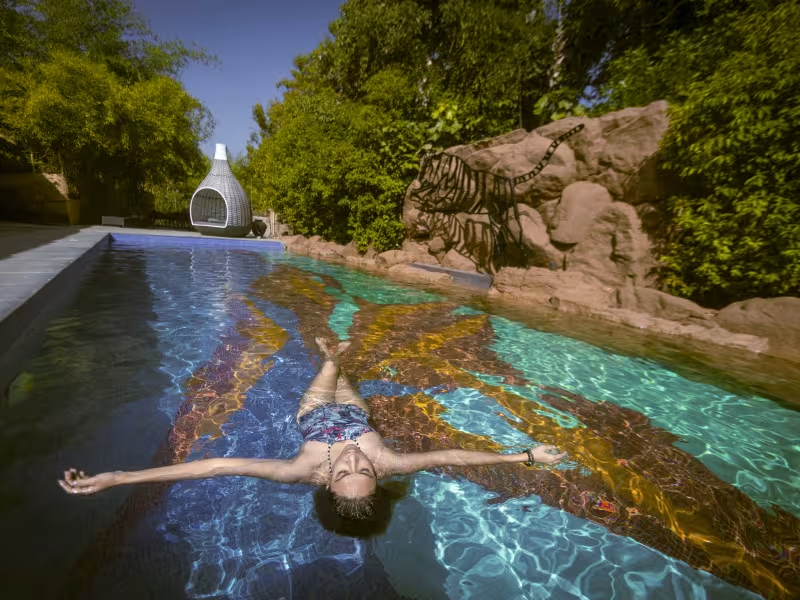
The pool is 25 metres long and doesn't have a single poolside bar pushing cocktails at you. It has trees. Birds. Quiet. Float here long enough and you forget what day it is.

LeMoor is where the resort's heartbeat is strongest. Mornings smell of coffee and toast. Evenings feel like a gathering — warm light, wooden ceilings, and food that takes local produce seriously.

A table under a tree at golden hour, stacked with fruit, toast, jams and fresh juice. No one planned to spend two hours here. But that sunset, that air, that spread — nobody was in a hurry to leave either.

From the jungle side, The Pods look like they don't quite belong to the human world. Raised platforms, curved forms, autumn-gold leaves all around. They're watching the forest as much as the forest watches them.
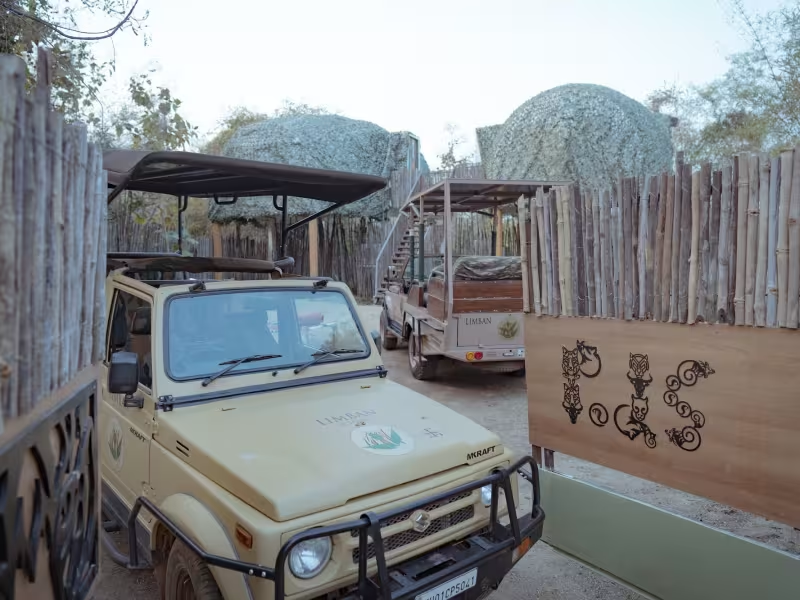
Dawn: jeeps fuelled and waiting, the Pods still lit from the night before, the forest already stirring. This is the minute before the safari begins — and it already feels like something is about to happen.
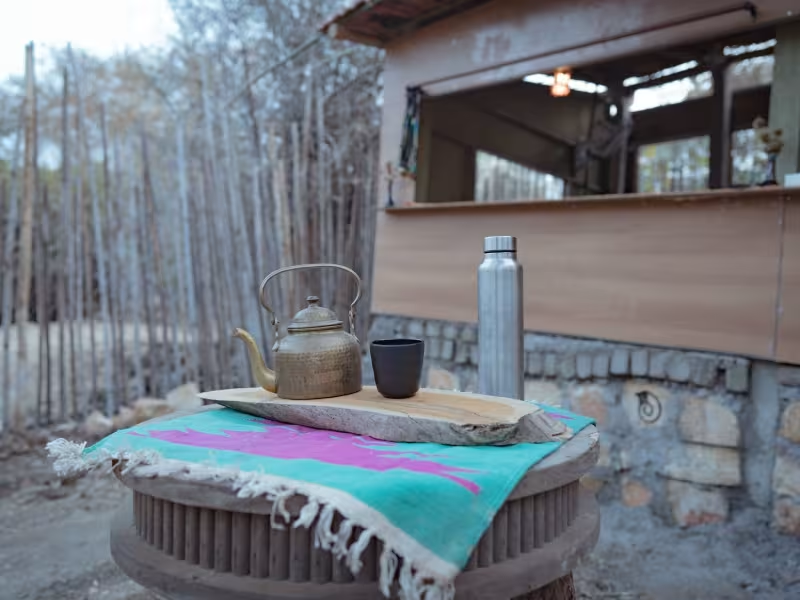
Brass kettle. Steel flask. Kulhad. A folded dhurrie on a stone table. You haven't gone anywhere yet, but the morning is already doing what it came to do.
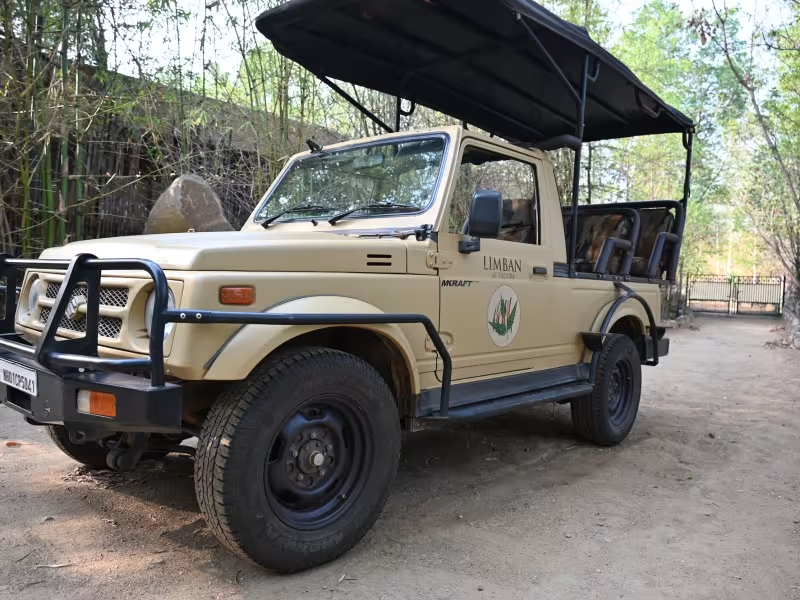
Purpose-built. Open-top. Branded with the Limban leaf. This is what takes you into the core zone — not a shared jeep from a gate queue, but your own vehicle, your own naturalist, your own morning in the forest.

When the sun goes down at Limkheda, the fairy lights come on, the Machan watches over everything from above, and whatever occasion brought you here starts to feel like the best decision you've made all year.
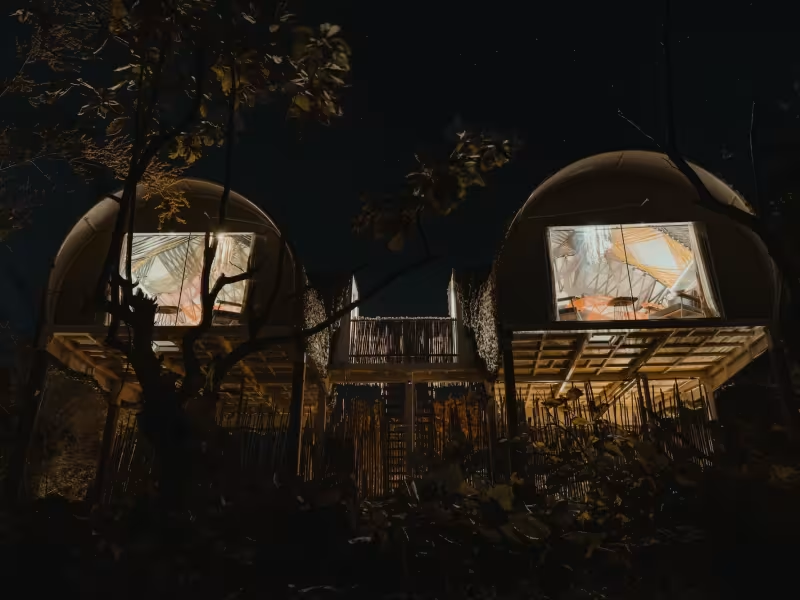
Two pods, side by side, glowing warm against the dark. Full-height glass facing the forest — so whatever moves out there at night, you have the best seat in the house. Safely inside. Completely absorbed.

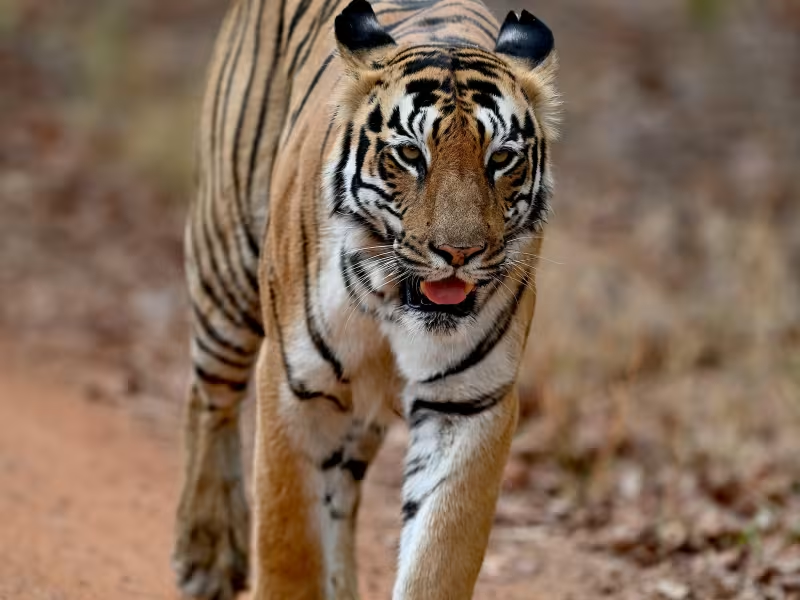
The whole vehicle goes silent. Binoculars up, cameras raised, no one speaking. You don't need to — everyone already knows there's a tiger fifty metres to the left.
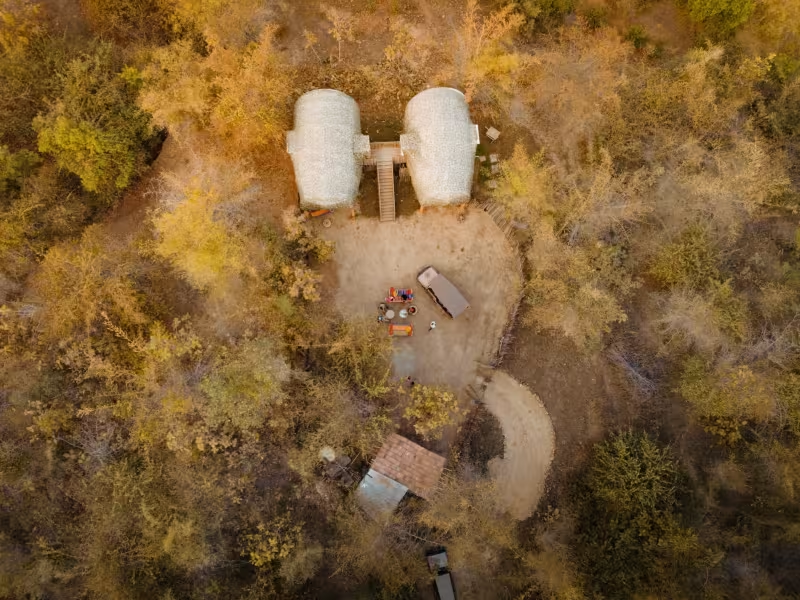
From above, The Pods look like something the forest decided to grow. Two perfect forms nestled in a sea of treetops, barely visible unless you know where to look. Which is rather the idea.
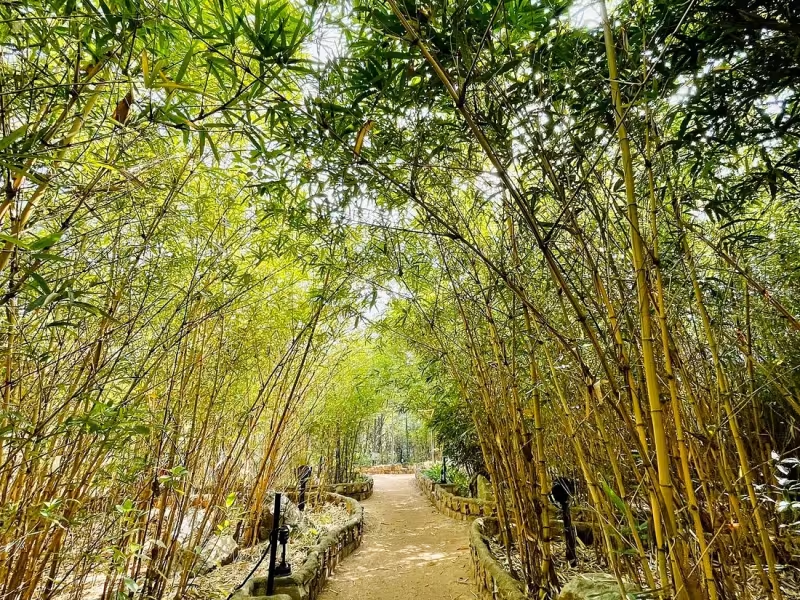
Not every moment here involves a tiger or a sundowner. Some of the best ones are just this — a path, bamboo closing in on both sides, and nobody else around. Walk slowly. That's the rule.

This is what a tiger sighting looks like from inside the jeep: shaking hands, a camera you forgot to focus, and the biggest grin you've worn in years. They'll be talking about this one for a long time.

The little ones don't need to spot a tiger to have the time of their lives. There are games, crafts, outdoor play and enough resort to explore that they'll be asleep well before dinner. Which is also fine.
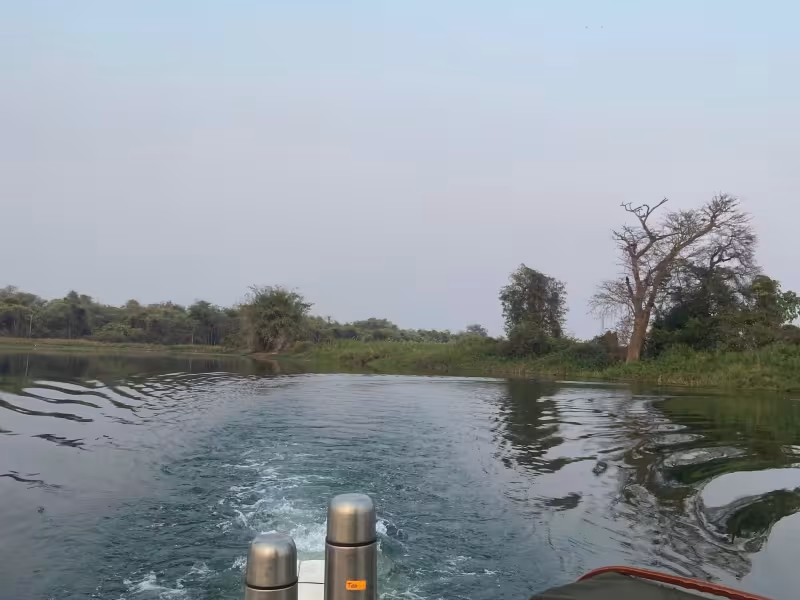
Irai Lake is where Tadoba's wilderness opens up differently — wide, still, mirrored. A slow boat, a pair of binoculars, and the kind of silence that cities don't offer at any price.

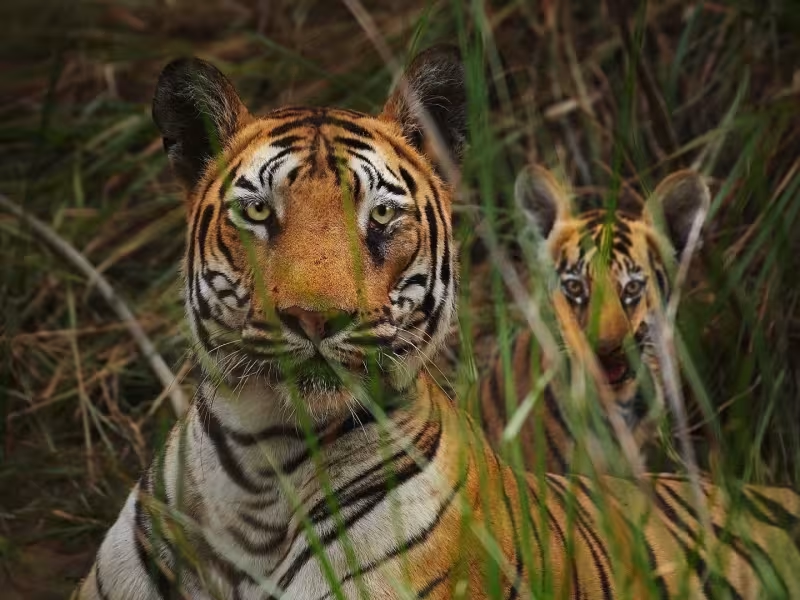
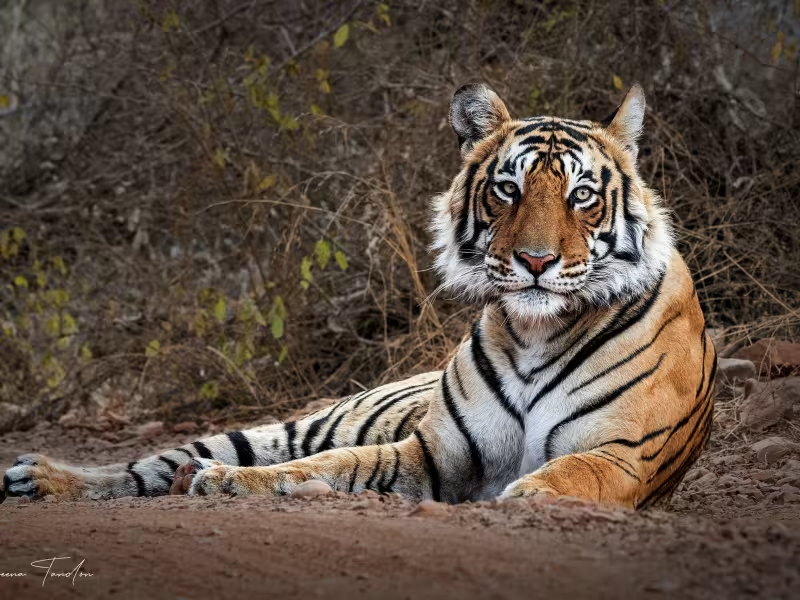
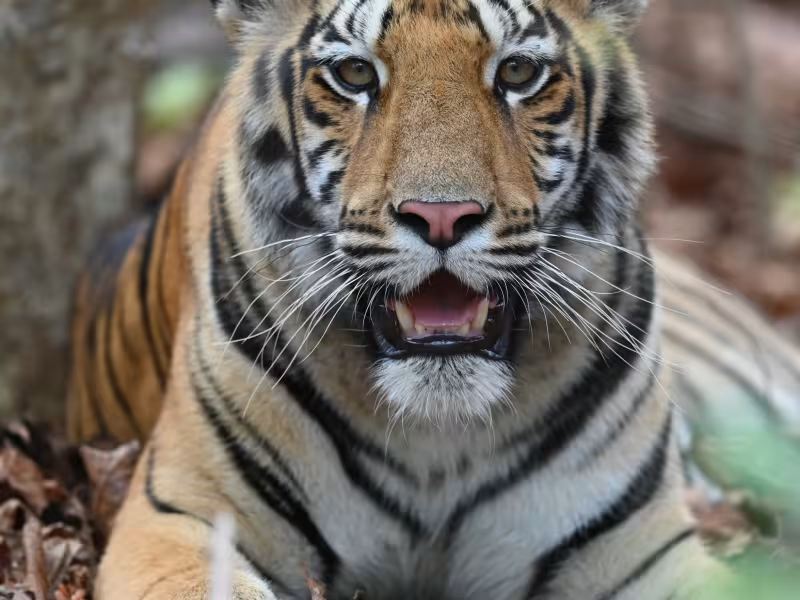
Close enough to see the amber in the eyes. Close enough to hear the breath. A Limban safari doesn't guarantee this — but when it happens, you understand exactly why you came.

The Canvas has its own entrance — a private threshold that's entirely yours. Step through it and the rest of the resort fades away. What remains is your space, the quiet, and canvas walls breathing with the forest.

After a morning safari and a long lunch, Limala is where the afternoon goes. Hands that know what they're doing, oils that smell like the forest, and a quiet so complete you actually stop thinking.
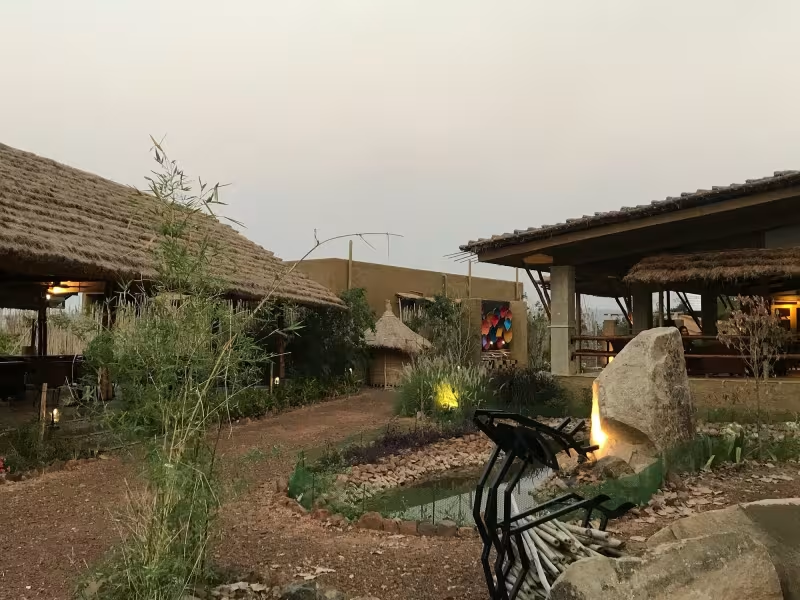
On a grey monsoon morning, the resort has a different mood entirely — quieter, more atmospheric, the kind of stillness that makes you want to stay indoors with something warm. Tadoba in the rains is its own thing. So is Limban.
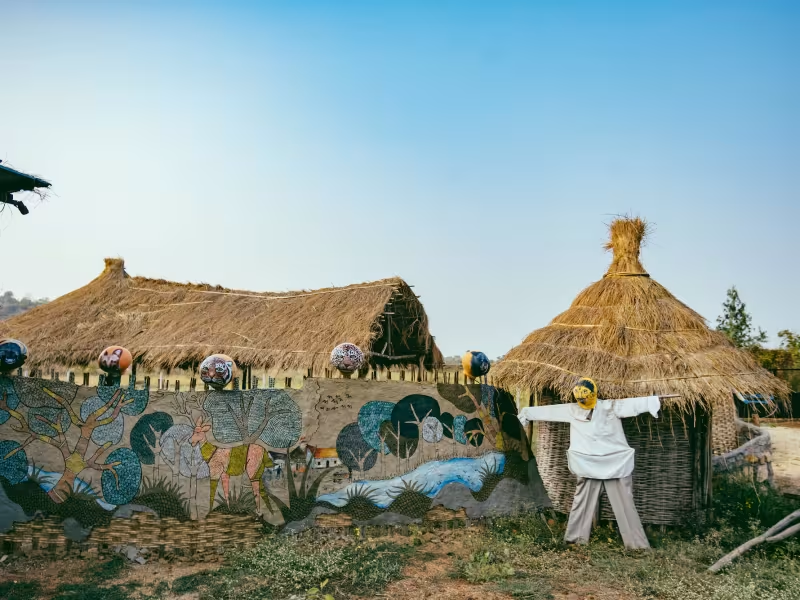
The details at Limban aren't accidental. Handmade décor, earthy textures, things that feel placed rather than installed. Around Limkheda, the outside is as considered as the inside — and that's saying something.

Just the two of you, the pool perfectly still beside you, candles doing what candles do. There's no better backdrop for a honeymoon dinner than this — and Limban's kitchen will make sure the food lives up to the setting.

Before every safari, your meal is packed — fresh, warm where it should be warm, cold where it shouldn't be. Whether it's a snack stop or a full spread under a tree at sunset, you won't go hungry in the forest.

High tea in a rocky clearing, the kind of spot you'd only reach if someone knew the way. Sandwiches, sweets, something steaming in a flask. You're not in a hotel lobby. You're in Tadoba. And every bite tastes like it.

The Pods at night, the jeeps parked and resting, a fire burning between them. This is the campfire hour — guests gathered, stories still tumbling out about the afternoon's sighting, the light warm against the trees. Nobody wants to go to bed.

The entrance to Limkheda after dark is a whole mood — lanterns, wooden arches, the Machan waiting just beyond. Whatever is happening inside tonight, the arrival alone tells you it's going to be good.

A guest took this one — phone out, walking through the grounds, not thinking too hard about it. And it still looks like this. That's what the property does to you. It photographs itself.

A sunlit path, the lobby to your left, your room somewhere ahead. This is the walk guests take a hundred times over a stay — and it never quite stops feeling good. That light through the trees. That air.

LeMaya is where the day's adventures become stories. Someone orders a drink. Someone else mentions the tiger at zone four. Before long, tables have merged and no one remembers what time it is. This is what a bar at a good resort feels like.